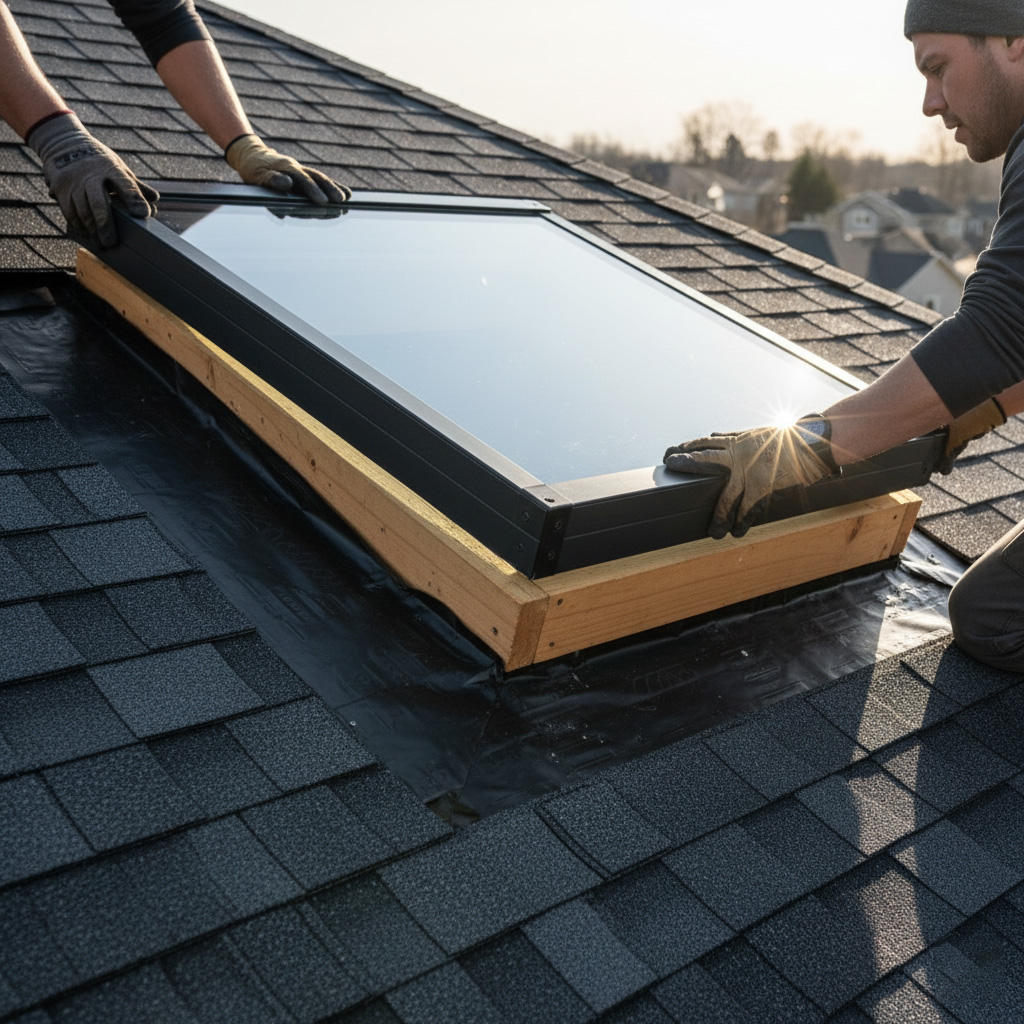


⚡ TL;DR: Discover how roof ventilation installation combats New Orleans humidity, reduces AC runtime, lowers energy bills, and offers extra benefits with expert step-by-step guidance.
📋 What You’ll Learn
In this guide to roof ventilation installation in New Orleans, you’ll learn how to battle brutal humidity, select optimal systems, understand energy savings science, and master professional setup for lower bills.
- Master humidity-fighting strategies tailored for NOLA’s steamy climate, preventing attic moisture, mold growth, and excessive heat buildup that strains your AC year-round.
- Explore top ventilation options like ridge vents, soffit systems, and powered fans designed for Big Easy roofs to endure hurricanes while boosting efficiency.
- Unravel the science behind savings as better airflow reduces attic temperatures, shortens AC cycles, and delivers up to 35% cuts in cooling energy bills.
- Discover benefits past bill cuts including longer roof life, improved air quality, pest prevention, and enhanced home comfort in New Orleans’ humid conditions.
- Follow step-by-step installation from site assessment and material selection through testing, ensuring flawless results and maximum performance for your specific roof.
📖 Reading time: 7 min
✍️ Author expertise: New Orleans roofing pro with 20+ years of field installs in humid, storm-prone conditions.
Your AC unit kicks on at dawn in New Orleans, humming like a beast through the sticky heat, and by month's end, those power bills punch you square in the gut.
That relentless humidity trapped under your roof turns your attic into a sauna, forcing your cooling system to work overtime and spiking costs sky-high.
But what if roof ventilation could cut that load in half? Keep reading to uncover the simple install that delivers real savings right here in the Big Easy.
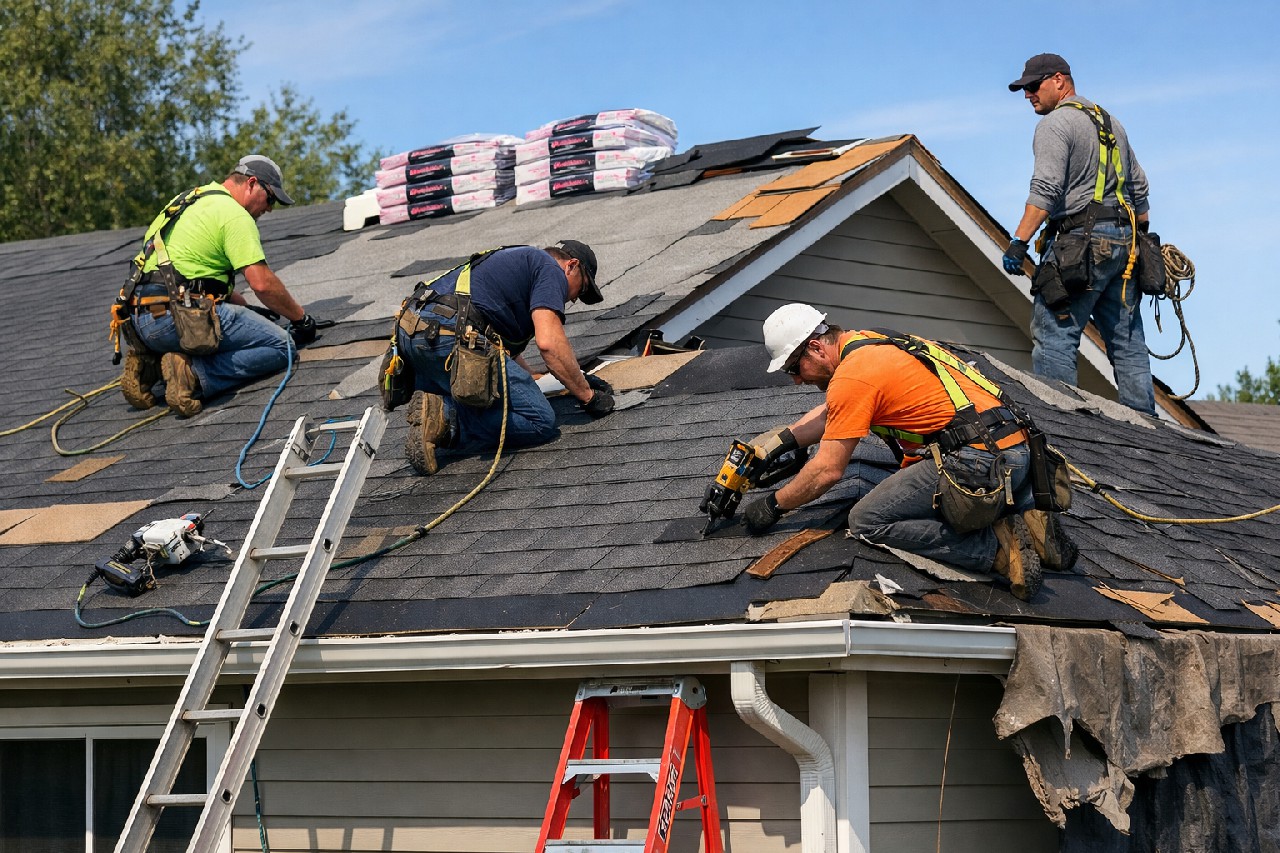
How Roof Ventilation Beats New Orleans' Brutal Humidity
New Orleans summers hit like a freight train. Thick humidity seeps into every corner, turning attics into steam baths that bake your home from above.
Without proper airflow, that moist heat lingers. It radiates down, cranking up indoor temps and making your AC fight a losing battle.
Roof ventilation flips the script. It sucks out the superheated, muggy air through vents, replacing it with drier outside breezes.
- Ridge vents run along the peak, creating a constant exhaust pull.
- Soffit vents pull in cooler air from the eaves.
- Powered fans turbocharge the process on the worst days.
Result? Your attic drops 20-30 degrees cooler. That alone cuts the heat sneaking into your living space.
Types of Roof Ventilation Perfect for Big Easy Homes
Not every vent setup handles New Orleans' swampy air. You need options that pull hot, moist crud out fast without sucking power. Here in NOLA, we swear by these battle-tested types.
Passive Powerhouses: No Electricity, All Action
- Ridge vents run the full peak of your roof, letting heat escape like a chimney while soffit vents pull cool air in below. Perfect balance for humid attics.
- Turbine vents spin with wind alone, whipping out steam on breezy Crescent City days. Cheap to install, zero bills.
- Gable vents punch holes in end walls for cross-breeze flow. Old-school reliable for shotgun houses.
These run silent and free. Pair ridge with soffits for top results in our sticky climate.
Active Attic Exhaust: Turbo Boost When Needed
Sometimes passive ain't enough during peak summer scorchers. Kick in powered fans for extra pull.
- Solar attic fans harness Big Easy sun to run free, yanking 1,000+ CFM of hot air.
- Wired exhaust fans guzzle less than your fridge but slash attic temps by 50 degrees fast.
Pro tip: Match vent size to square footage. Undersized? Waste of cash. We size 'em right every time.
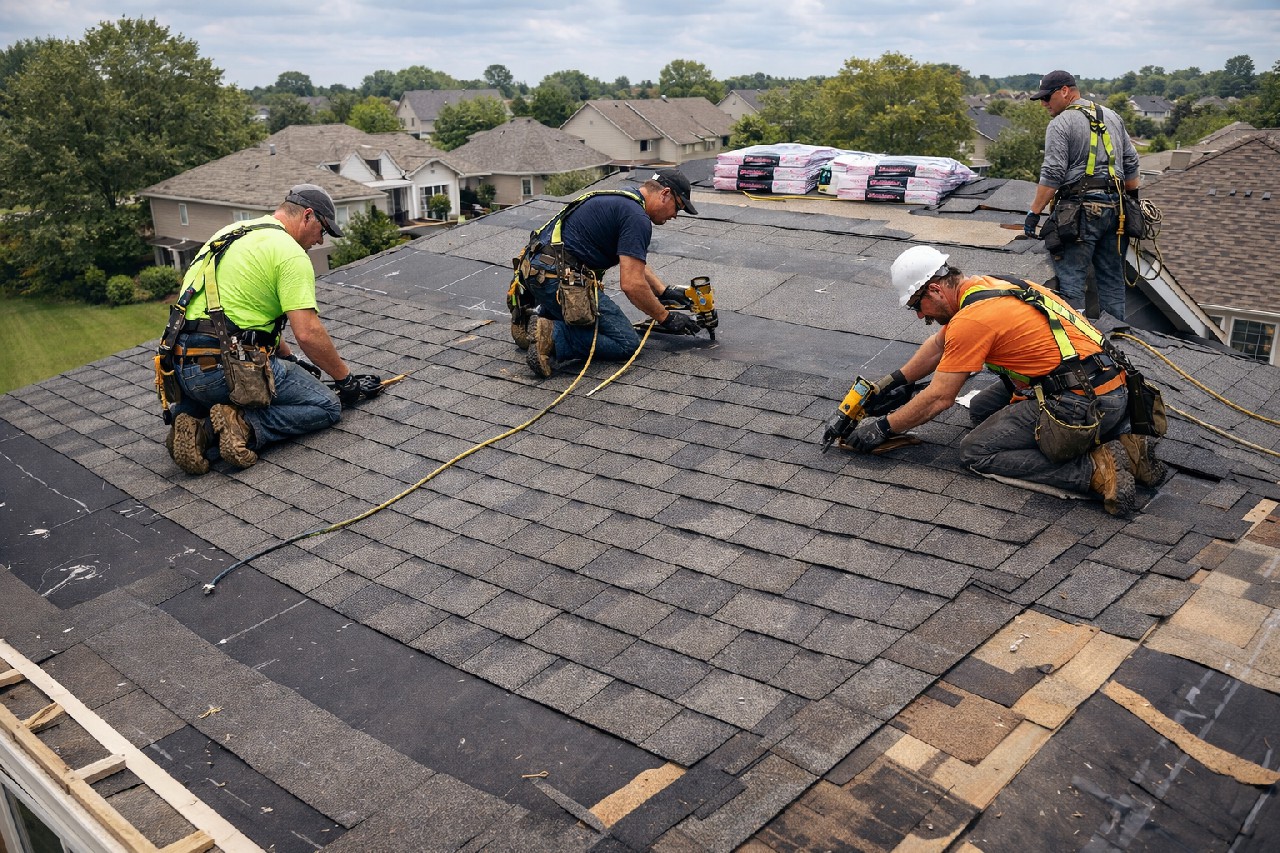
The Science: How Ventilation Slashes Your AC Runtime and Bills
Picture this: New Orleans sun bakes your roof all day. That heat seeps into your attic, hitting 150°F or higher in summer. Without ventilation, it radiates down like a furnace, cranking your AC non-stop.
Roof vents flip the script with basic physics. Hot air rises naturally – that's the stack effect. Intake vents pull in cooler outside air at the soffit, exhaust vents push scorching air out the ridge or gable. Boom. Attic temps drop 30-50°F easy.
Direct Hit on Your Power Bill
- Lower attic heat means less radiates through your ceiling insulation.
- AC fights fewer BTUs, running 20-30% less time.
- Real NOLA math: A typical home saves $200-400 yearly on cooling alone.
Humidity plays dirty too. Trapped moisture condenses, insulating your attic worse than a wet blanket. Vents whisk it away, keeping things dry and efficient. Your compressor thanks you with longer life and quieter runs.
Key Benefits Beyond Energy Savings for NOLA Roof Owners
Think your roof's just a shield from rain? Wrong. Proper ventilation fights off the moisture monster that humidity unleashes in New Orleans attics.
That trapped steam breeds mold, warps wood, and shortens shingle life. Cut it out, and your roof lasts years longer.
Comfort That Hits Different
No more upstairs rooms feeling like a pressure cooker. Ventilation pulls hot air up and out, keeping your whole house cooler without cranking the AC.
Families notice it first: kids sleep better, no sticky nights.
- Shingles resist cracking from extreme heat cycles.
- Less rot in rafters and decking.
- Humidity drops, slashing mold risks for allergy sufferers.
Bonus? Your home sells faster. Buyers in the Big Easy spot a ventilated roof and picture lower bills plus peace of mind. It's a win that pays off big.
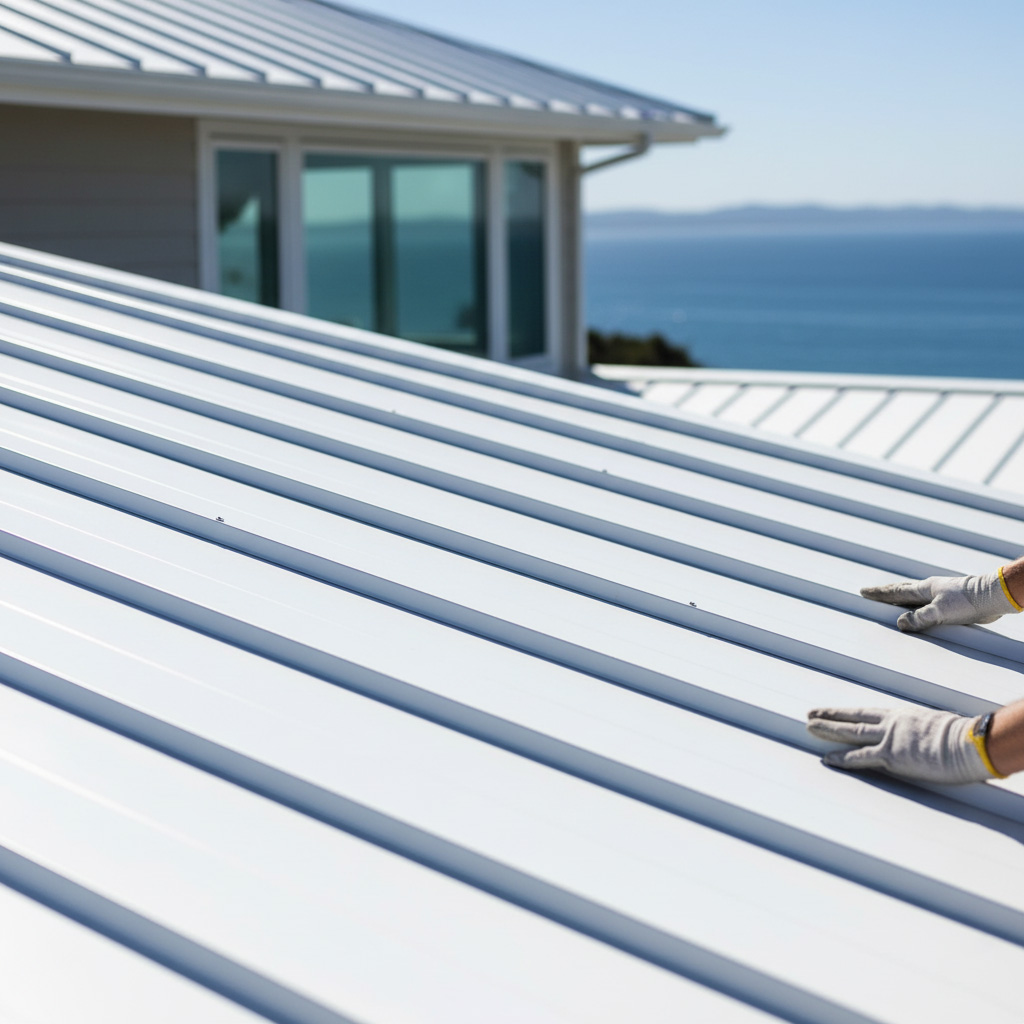
Professional Installation: What to Expect Step-by-Step
Skip the DIY headaches. Our New Orleans roofers handle everything from inspection to final tweaks, ensuring your setup fights humidity like a champ without leaks or code violations.
Here's the no-surprises breakdown. We turn your attic from steam bath to breathable space in one efficient day.
Your Installation Roadmap
- Free Attic Audit: We climb up, check airflow, spot blockages, and measure for the right vent mix tailored to NOLA's muggy climate.
- Custom Vent Selection: Pick ridge vents, whirlybirds, or powered fans based on your roof pitch and home layout. No cookie-cutter jobs here.
- Precise Cut and Fit: Slice openings with laser accuracy, install vents, and seal edges tight against Gulf Coast rains.
- Airflow Test: Fire up fans, measure CFM, and balance intake with exhaust for max cooling pull.
- Cleanup and Walkthrough: Sweep every shingle, show you the results, and hand over a performance report.
Expect zero downtime on your AC. Most jobs wrap before lunch, with warranties that stick through hurricane season.
Case Study: Transforming a Gentilly Attic and Cutting Bills by 35%
Meet Jamal, a longtime Gentilly resident with a 1,800 sq ft ranch-style home built in the '70s. His attic hit 140°F on summer days. That heat baked down, making his AC run non-stop and jacking bills to $450 a month.
We inspected and found zero ventilation. Just a stale, muggy trap. Solution? A mix of ridge vents and four powered attic fans, sized right for his roof pitch.
Before and After Breakdown
- Attic Temps: Dropped from 140°F to 95°F average.
- AC Runtime: Slashed by 40% – unit cycled off more.
- Bills: Plunged 35% to $295/month. Jamal saved $1,800 year one.
Shingles lasted longer too. No more warping from trapped moisture. Jamal called it his "best home upgrade ever."
Final Thoughts
Picture this: your New Orleans home cooler, quieter, and your wallet fuller each month. Roof ventilation isn't just a fix—it's your secret weapon against the humidity beast.
Don't let another summer sweat it out. Act now. A quick call flips the switch on skyrocketing bills.
Quick Next Steps
- Spot attic red flags like mold or extreme heat.
- Grab a free inspection from our crew.
- Explore options tailored for NOLA roofs.
Ready to slash those energy bills? Dive into our Roof Ventilation Installation page and let's get your home breathing easy.
People Also Ask
How does roof ventilation lower energy bills in New Orleans?
Roof ventilation expels hot, humid attic air, reducing the heat load on your AC unit and allowing it to run less frequently. In New Orleans' steamy climate, this can cut cooling costs by up to 30% by maintaining cooler attic temperatures. Proper ventilation also improves airflow, preventing your home from trapping heat like a greenhouse.
Is roof ventilation worth it for homes in humid Louisiana?
Absolutely, as New Orleans' high humidity leads to trapped moisture and skyrocketing AC bills without it. Installing vents like ridge or soffit types can slash energy use while extending roof life by preventing premature shingle damage. Homeowners often see payback in just 2-3 years through lower utility bills and fewer repairs.
What is the best type of roof ventilation for New Orleans homes?
Soffit and ridge vents are ideal for the Big Easy, providing balanced intake and exhaust to combat intense humidity and heat. Powered options like attic fans offer extra pull in peak summer but passive systems work well for most. Consult a local roofer to match the type to your roof pitch and home size for maximum efficiency.
Can roof ventilation reduce AC runtime in hot, humid climates?
Yes, by venting superheated attic air, it keeps indoor temperatures lower, so your AC cycles less and works efficiently. In New Orleans, where attics can hit 150°F, this simple upgrade shortens runtime by 20-35%, directly trimming bills. It also minimizes strain on your HVAC system, potentially avoiding costly breakdowns.
How much can proper roof ventilation save on energy bills?
Expect 15-35% savings on cooling costs in New Orleans, depending on your home's size and current setup. A well-ventilated attic stays 30-50°F cooler, easing AC demands during brutal summers. Many NOLA residents recoup installation costs within a few hot seasons through consistent utility reductions.

New Orleans Roofing delivers expert roofing services with years of hands-on experience in installations, repairs, and maintenance. The team specializes in solutions tailored to the unique demands of New Orleans' humid climate and storm-prone environment. Deeply rooted in the local community, they serve homeowners and businesses across the Greater New Orleans area.
Need Roofing?
Fast roof repairs and replacements deliver leak-free protection and storm resilience in New Orleans, LA and nearby areas (70112, 70115, 70118, 70119, 70130).
Get Roof Quote