

⚡ TL;DR: This guide reveals common New Orleans roof replacement mistakes, like skipping hurricane-ready materials and unvetted contractors, to help homeowners avoid expensive pitfalls.
📋 What You’ll Learn
In this guide to New Orleans roof replacement, you’ll discover how to spot urgent warning signs, dodge costly errors with materials and contractors, budget smartly, and safeguard your home against fierce Gulf storms.
- Spot critical warning signs early to prevent leaks, structural damage, and emergency repairs from New Orleans’ humidity, heavy rains, and hurricane winds before they escalate into total roof failure.
- Avoid skimping on hurricane materials by choosing impact-resistant shingles, proper ventilation, and local climate-proof underlayments that withstand NOLA’s brutal weather without premature wear or blow-offs.
- Vet contractors and master permits to sidestep low-bid traps, code violations, and failed inspections that delay projects and inflate costs in New Orleans’ strict post-storm regulations.
- Master budgeting for NOLA roofs factoring in size, pitch, materials, and extras like attic insulation, plus real case studies from French Quarter rescues to optimize your investment.
📖 Reading time: 7 min
✍️ Author expertise: New Orleans roofer with 25+ years of hands-on storm damage replacements and historic roof expertise.
You're sipping chicory coffee on your front porch when the skies open up again, and suddenly water's pouring through your ceiling. That nagging roof issue you ignored? It's now a $20,000 nightmare, courtesy of Hurricane season's latest tantrum.
In New Orleans, roof replacement isn't just a chore—it's your shield against the next big storm. But one wrong move with shady contractors or cheap materials, and you're shelling out double to fix the fix.
We've seen it all from the French Quarter to the bayous. Keep reading to dodge the pitfalls that turn a smart upgrade into a money pit.
Warning Signs Your New Orleans Roof Needs Immediate Replacement
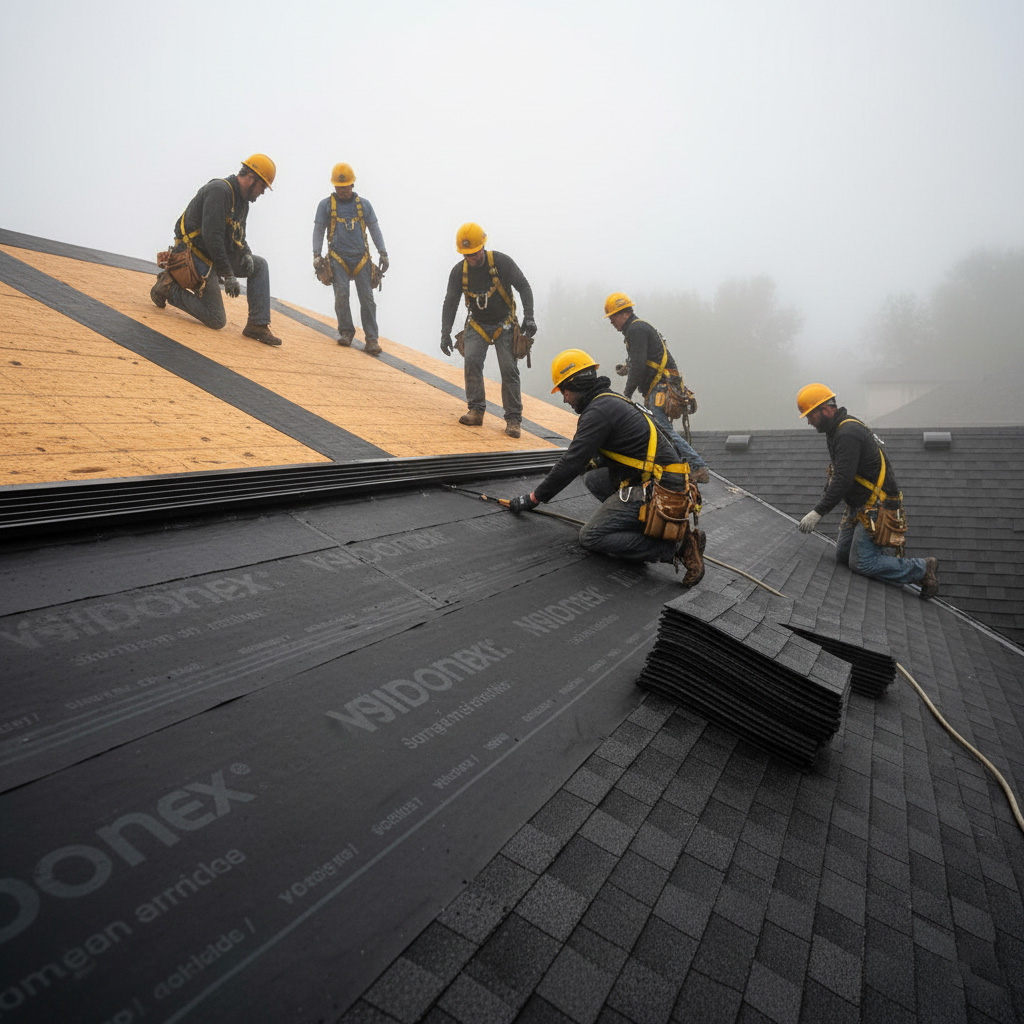
Spot these red flags early, and you save thousands before the next tropical storm hits. New Orleans roofs take a beating from relentless humidity, brutal winds, and pounding rain. Ignore them at your peril.
Top Trouble Indicators
- Granules piling up in your gutters: Asphalt shingles shedding like crazy means they're toast. Hurricane winds strip them faster here.
- Water stains on ceilings or walls: Small leaks turn into gushers during nor'easters. Don't wait for mold to move in.
- Missing or curling shingles: Post-storm inspections reveal this killer sign. Your roof's armor is cracking.
- Sagging ridges or valleys: Structural failure screaming for attention. Gravity wins if you delay.
- Daylight peeking through attic vents: Obvious breach. Bugs and critters follow right behind.
Grab a ladder after any big rain. Walk your roof line carefully. Snap photos and call pros if three or more signs show up. Your wallet will thank you when that Category 3 spins our way.
Mistake #1: Ignoring Hurricane-Ready Materials and Local Climate Demands
New Orleans roofs face a brutal combo: scorching humidity, pounding rains, and Category 5 winds that laugh at weak shingles. Go cheap with standard asphalt, and your "bargain" roof shreds in the first big blow. We've ripped off plenty of these disasters post-storm, watching homeowners cry over flying debris.
Hurricane-rated materials aren't optional here. They use reinforced fiberglass, impact-resistant granules, and Class H wind ratings up to 150 mph. Skip them, and insurance might deny your claim anyway.
Pick These NOLA-Proof Options:
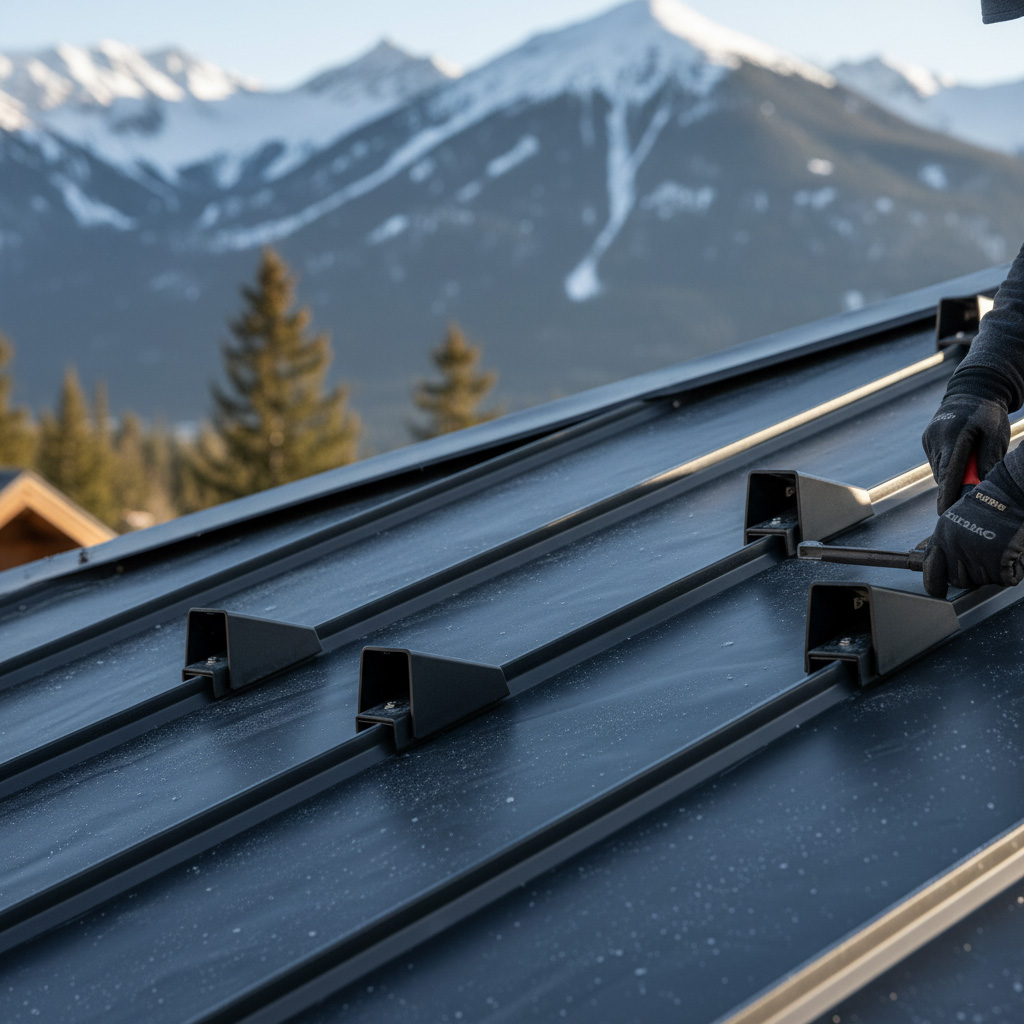
- Metal roofing: Zero leaks, lasts 50+ years, shrugs off hail like nothing.
- Architectural shingles with sealant strips: Doubles wind resistance over 3-tab junk.
- Synthetic underlayment: Blocks moisture better than old-school felt in our swampy air.
One Gentilly client cheaped out on basic shingles. Ida hit, and his roof was confetti. Cost him $35K instead of $18K upfront with proper gear.
Mistake #3: Underestimating Permits, Codes, and Post-Storm Inspections
New Orleans codes aren't suggestions. They're ironclad rules born from Katrina's wreckage. Skip the permits, and your new roof could get red-tagged faster than a tourist spotting beignets.
Picture this: You pay top dollar for a shiny new roof, only to fail a city inspection because it doesn't meet hurricane-rated standards. Boom. Fines pile up. Insurance laughs in your face during the next claim.
Why Permits Matter in NOLA
- Flood zones demand elevated specs. No shortcuts.
- Post-storm checks by the city ensure survival against 150 mph winds.
- Wrong materials? Your warranty vanishes overnight.
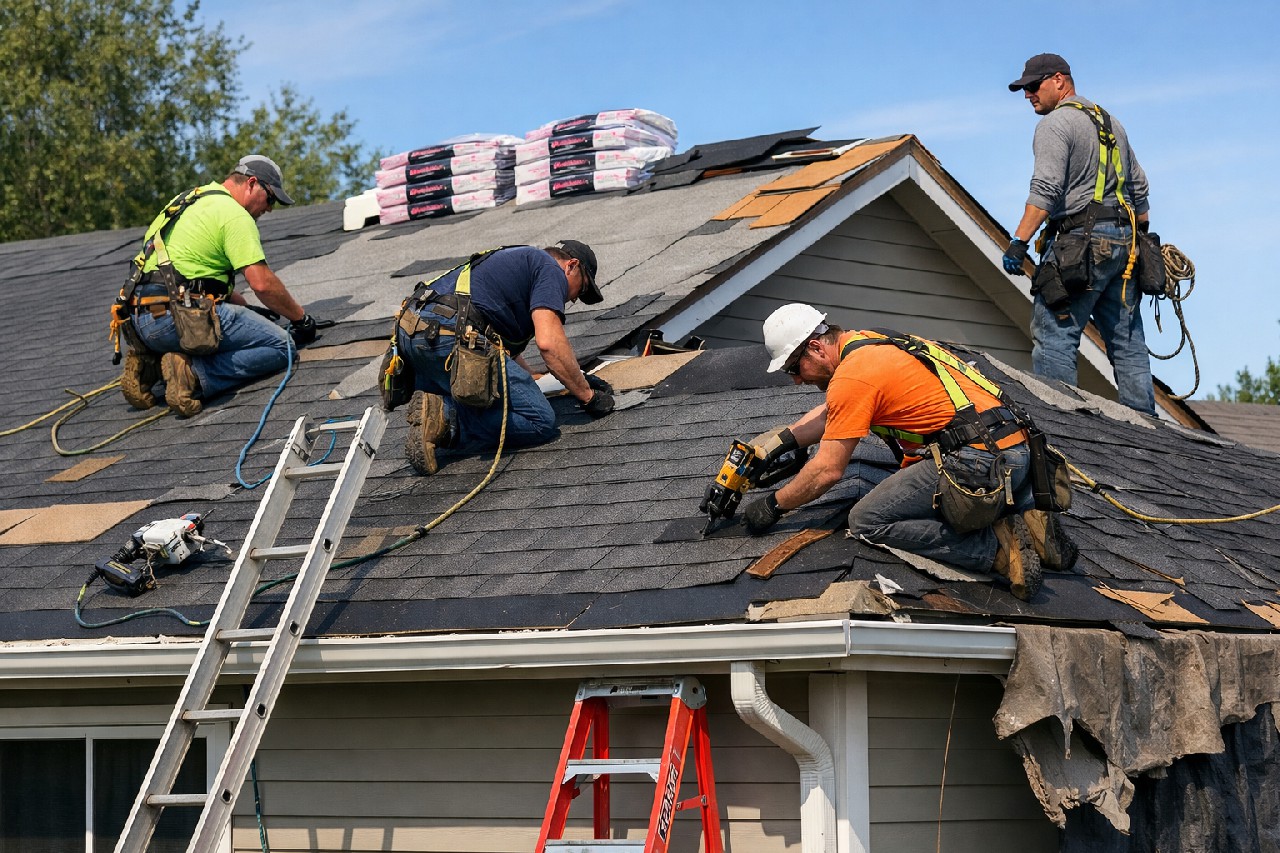
Hire a crew that handles this headache from day one. They'll pull permits, pass inspections, and keep your home compliant. One call saves you thousands in rework.
Don't guess. Demand proof of licensing and recent permit history upfront. It's your ticket to a roof that lasts through the next Ida.
Mistake #3: Underestimating Permits, Codes, and Post-Storm Inspections
Picture this: Your new roof looks perfect. Then the city inspector shows up, slaps a stop-work order on it, and fines you $5,000 for missing a permit. Happens all the time in NOLA.
New Orleans has ironclad building codes built for hurricane fury and flood risks. Skip the paperwork, and your "bargain" roof gets torn off by code enforcement. Not fun.
Key Code Must-Knows for NOLA Roofs
- Wind resistance: Minimum 130-150 mph ratings, per ASCE 7 standards.
- Flood vents and elevation rules if you're in a zone.
- Post-storm inspections within 72 hours after big blows like Ida.
Insurance companies demand proof of compliance too. No permit? Claim denied when the next storm hits. Vet your contractor on this upfront, or pay later.
Pro tip: Ask for their license number and recent permit history. Real pros handle this seamlessly, saving you headaches and cash.
Smart Budgeting: Factors That Drive Roof Replacement Costs in NOLA
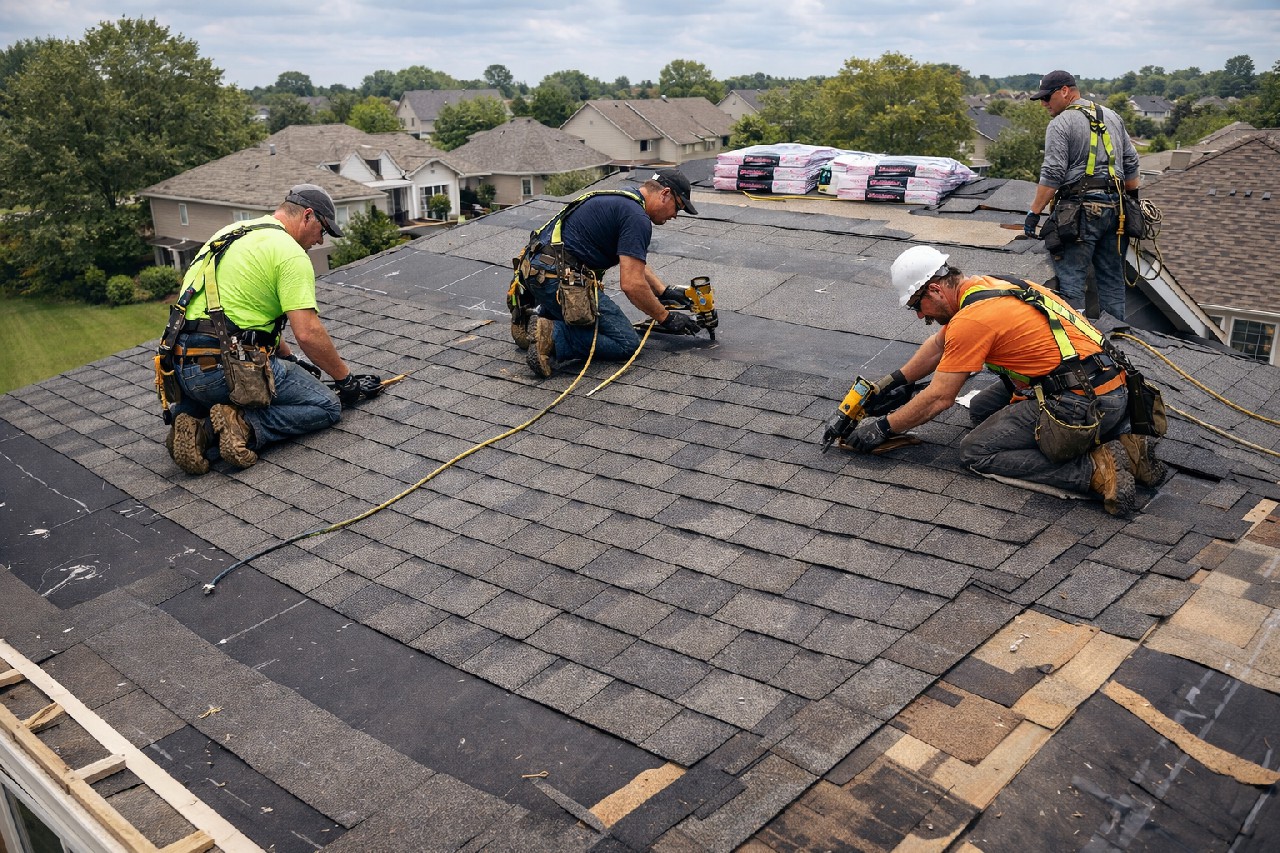
Roof replacement in New Orleans hits your wallet hard if you skip the math. Prices swing from $8,000 for a basic 1,500 sq ft job to $25,000+ for storm-proof beasts. Nail down these drivers before signing anything.
Biggest Cost Kickers
- Roof size and pitch: Steeper Creole cottages demand more materials and man-hours. A flat bayou bungalow? Cheaper.
- Materials: Skip flimsy asphalt shingles. Go for impact-rated metal or concrete tiles built for 150 mph winds. They cost 30-50% more upfront but save your bacon later.
- Labor and access: French Quarter scaffolding jacks prices 20%. Bayou hauls? Add fuel surcharges.
- Permits and extras: City inspections run $500-1,000. Toss in gutters, ventilation, or attic insulation? Budget another 10-15%.
Pro tip: Factor in insurance rebates for fortified roofs. They slash your net cost by thousands. Get three vetted bids, but compare apples to apples on specs, not just totals.
Case Study: Rescuing a French Quarter Shotgun House from Total Failure
Picture this: a classic French Quarter shotgun house, squeezed between jazz clubs and courtyards. The owner, Ms. Landry, spotted sagging shingles after a brutal nor'easter. She grabbed the lowest bid from a fly-by-night crew pushing asphalt composites ill-suited for NOLA humidity.
Disaster struck fast. Leaks spread like wildfire. Within months, interior rot set in, and the cheap job failed code during a surprise inspection.
The Mess We Inherited
- Warped decking from poor ventilation.
- Mismatched shingles peeling in the subtropical soak.
- Zero hurricane straps, inviting total collapse next storm.
We ripped it all out. Installed TPO membranes with reinforced underlayment. Added proper flashing around those skinny dormers.
Cost? Under $18K total, versus the $35K rebuild she faced. Ms. Landry's house now laughs at 150 mph winds. Her porch coffee stays dry, year-round.
Final Thoughts: Shield Your Home from New Orleans' Next Big Storm
Your roof stands between your family and the fury of the next tropical punch. Skip the mistakes we've covered, and you're not just saving cash. You're buying peace of mind when the winds howl.
Act now before the next squall hits. Get a free inspection from a vetted local crew who knows NOLA's quirks inside out. Check our Roof Replacement services for the full rundown on bulletproof options.
- Spot leaks early. No excuses.
- Vet contractors like your home depends on it. It does.
- Choose hurricane-tough materials. Period.
One smart call today keeps the nightmares away tomorrow. Don't wait for the storm to force your hand.
People Also Ask
How much does roof replacement cost in New Orleans?
Roof replacement costs in New Orleans typically range from $8,000 to $25,000, depending on roof size, materials, and complexity like steep pitches common in historic homes. Factors like hurricane-resistant asphalt shingles or metal roofing add to the price but save money long-term by reducing storm damage repairs. Get multiple vetted quotes to avoid low-ball bids that cut corners on quality.
What are the signs my New Orleans roof needs replacement?
Look for missing or curling shingles, granule loss in gutters, interior leaks, or sagging areas, especially after heavy rains or hurricanes. In New Orleans' humid climate, algae growth or soft spots from moisture indicate urgent replacement to prevent mold and structural issues. Schedule a professional inspection promptly to avoid escalating costs from delayed action.
How do I choose a reliable roofing contractor in New Orleans?
Vet contractors by checking Louisiana State Licensing Board certification, local references, and insurance for workers' comp and liability. Avoid low bids from out-of-state firms unfamiliar with NOLA's wind codes; prioritize those with proven hurricane recovery experience. Request detailed contracts outlining materials, warranties, and timelines to sidestep disputes.
Do I need permits for roof replacement in New Orleans?
Yes, New Orleans requires permits for all roof replacements to ensure compliance with flood zone and wind-resistant building codes. Skipping permits risks fines, insurance claim denials, and failed inspections during resale. Work with a licensed local contractor who handles permitting seamlessly.
What roofing materials are best for New Orleans homes?
Hurricane-rated asphalt shingles or standing seam metal roofs excel in New Orleans' high winds, humidity, and frequent storms, meeting 130-150 mph wind codes. Avoid cheap materials that fail quickly; opt for impact-resistant options with long warranties for cost savings over time. Consult experts to match materials to your home's style and budget.

New Orleans Roofing offers extensive experience in residential and commercial roofing services tailored to the unique demands of New Orleans' humid climate and historic architecture. With a deep understanding of local building codes and weather challenges, the team provides reliable installations, repairs, and maintenance. Rooted in the Crescent City community, New Orleans Roofing serves homeowners and businesses across the greater area.
Need Roofing?
Fast roof repairs and replacements deliver leak-free protection and storm resilience in New Orleans, LA and nearby areas (70112, 70115, 70118, 70119, 70130).
Get Roof Quote