

⚡ TL;DR: This roadmap outlines tile roof installation in New Orleans, from storm-ready planning and material selection to hands-on steps, permits, and maintenance for resilient protection.
📋 What You’ll Learn
In this tile roof installation roadmap for New Orleans, you’ll master storm-proof strategies, material choices, installation steps, and maintenance tips tailored to NOLA’s hurricanes and humidity.
- Assess your roof for NOLA storms by evaluating structure, pitch, and vulnerabilities to create a resilient plan that withstands high winds and heavy rains effectively.
- Select hurricane-proof tile materials including concrete, clay, or synthetic options with profiles that enhance wind resistance and longevity in coastal conditions.
- Prepare site and secure permits through proper underlayment, flashing, and local code compliance to avoid delays and ensure your project meets New Orleans regulations.
- Follow hands-on installation breakdown from layout and fastening techniques to ridge capping, guaranteeing secure placement against Category 5 threats like Ida.
- Optimize post-install maintenance with inspections, cleaning schedules, and energy-saving benefits for decades of protection and lower utility costs in humid climates.
📖 Reading time: 7 min
✍️ Author expertise: New Orleans roofer with 15+ years of tile installations in hurricane zones.
Imagine dodging another hurricane warning in New Orleans, your home shaking under pounding rain while neighbors' roofs peel off like wet paper.
Now picture switching to tile roofing that laughs at 150-mph winds, slashes your energy bills, and boosts your property value overnight.
Tile roofs aren't just pretty—they're battle-tested armor for our steamy, stormy Crescent City climate.
Ready to map out your install from start to finish? Let's dive into the exact roadmap that gets it done right, every time.
Step 1: Assessing Your Roof and Planning for NOLA's Storms
Your first move? Get eyes on that roof now. Hire a certified inspector or grab our free assessment to spot cracks, sagging decks, or weak spots before tile goes up. Skip this, and you're building on sand during hurricane season.
Key Checks for Crescent City Roofs
- Structural integrity: Test trusses and rafters for rot from our endless humidity.
- Wind history: Note past storm damage; Ida-level hits demand extra reinforcement.
- Attic ventilation: Poor airflow cooks your home and shortens any roof's life.
Now plan like a local pro. Factor in NOLA's 150-mph gusts with FOG-rated tiles and foam adhesives that lock down against Category 5 fury. Budget 20% extra for storm straps and set a timeline outside June-November peak season to dodge delays.
Step 2: Selecting Hurricane-Proof Tile Materials and Styles
Wrong tile choice here, and your roof flies off in the next named storm. Right one? It shrugs off 170-mph gusts like yesterday's news.
Stick to Class H impact-rated tiles. These bad boys pass brutal lab tests mimicking flying debris. In NOLA, that's non-negotiable for insurance and peace of mind.
Top Materials That Survive Crescent City Fury
- Concrete tiles: Tough as nails, half the weight of clay, and molded for killer wind uplift resistance. They lock down tight with foam adhesives.
- Clay tiles: Classic red-barrel look, baked to stone-hardness. Go for high-fire varieties that flex without cracking under hail.
- Synthetic tiles: Polymer blends mimicking clay or slate. Lightest option, easiest install, and they nail NOA (Miami-Dade) certifications for our wind zones.
Styles matter too. Barrel tiles channel rainwater like pros, slashing leaks. Flat or S-shingles blend modern curb appeal with storm armor.
Match your home's vibe—French Quarter charm or Garden District sleek. Pro tip: Test samples under our brutal sun. Fade-resistant coatings keep colors popping for decades.
Step 3: Pre-Installation Prep and Securing Permits
Before a single tile hits your roof, we roll up our sleeves for serious groundwork. Skip this, and you're inviting leaks or worse in NOLA's next downpour. Think structural checks, debris haul-off, and underlayment upgrades to handle our humidity.
Quick Prep Checklist
- Inspect the decking: Replace any rotten wood that could buckle under tile weight.
- Clear the slate: Rip off old shingles or whatever's up there, down to bare bones.
- Fortify the edges: Install hurricane clips and reinforce eaves against wind shear.
- Pro tip: Add ice-and-water shield in valleys for extra storm defense.
Permits? Non-negotiable in New Orleans. City hall demands proof your roof meets IBC 2021 codes for wind zones—up to 150 mph here. Our crew handles the paperwork, inspections, and sign-offs so you avoid fines or redo nightmares.
One slip-up on permits, and insurance laughs at your claim post-storm. We file everything digitally through NOLA's portal, usually approved in 7-10 days. Your project's locked and loaded, no delays.
Step 4: The Hands-On Installation Process Breakdown
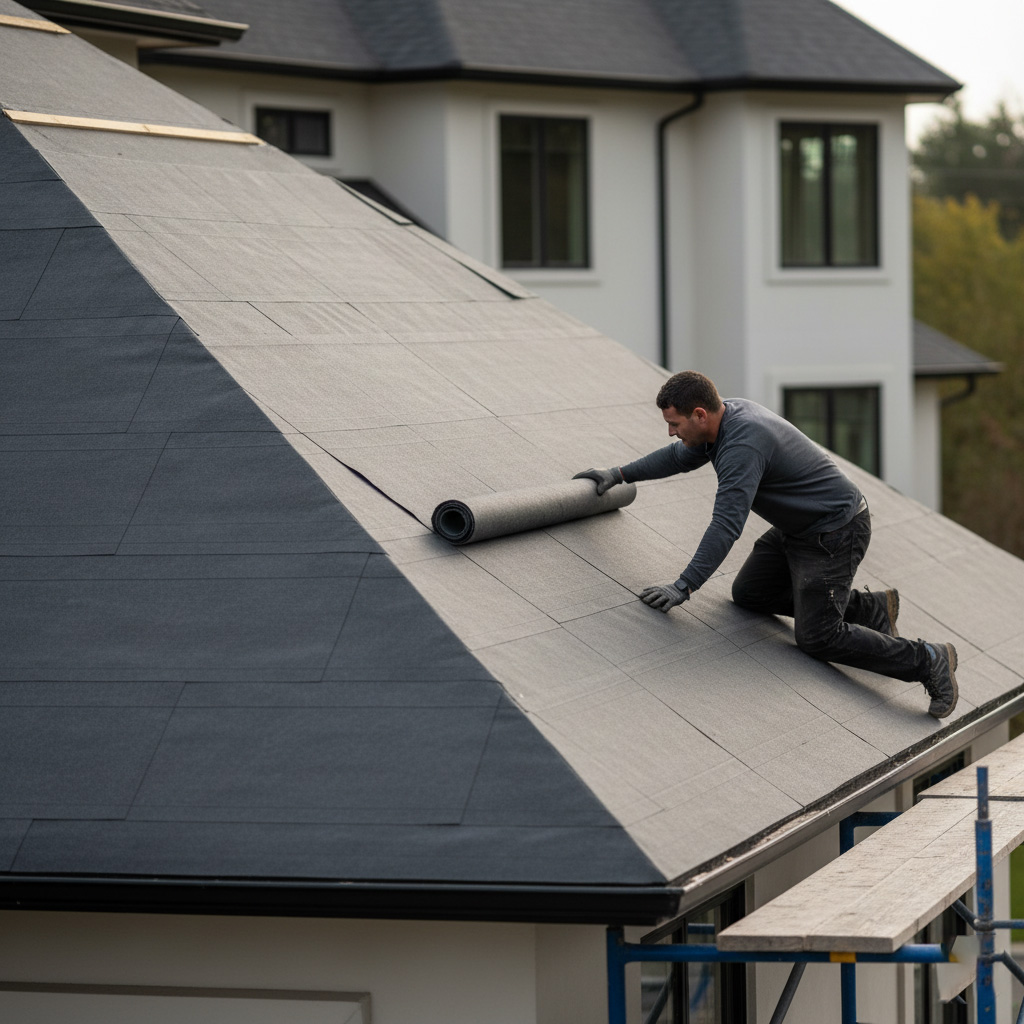
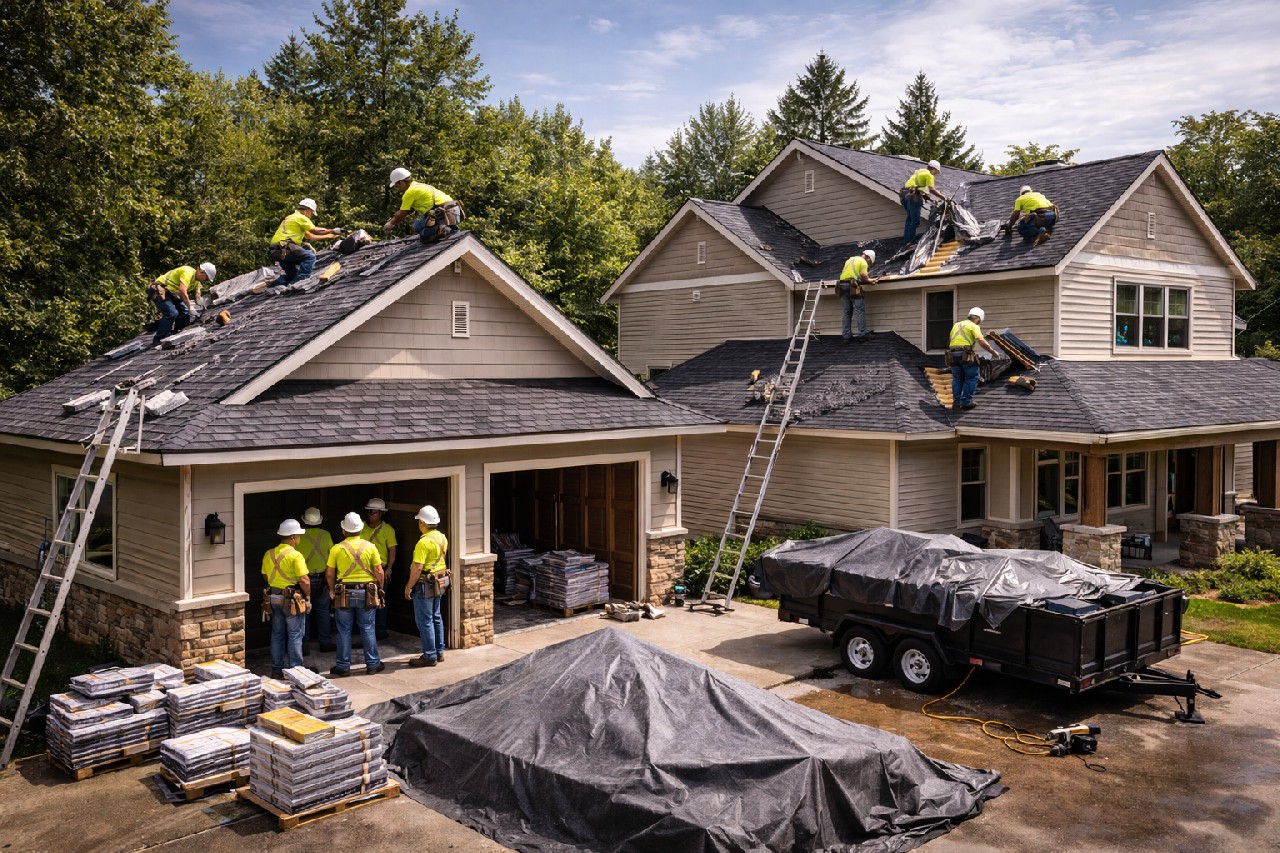
Our crews hit the ground running once prep's locked in. We strip any old roofing fast to expose a solid deck. Then comes the critical waterproof layer—synthetic underlayment that seals out NOLA's relentless downpours.
Layering It Right: From Battens to Barrel Tiles
Next, we snap chalk lines for perfect alignment. Battens go up first on sloped roofs, spaced exact for your tile profile. Tiles lock in row by row, starting at the eaves—each one nailed or clipped with hurricane-rated fasteners that grip like iron.
- Eave starter course: Doubled up for drip edge strength.
- Mid-field tiles: Interlocked, foam-adhered against uplift.
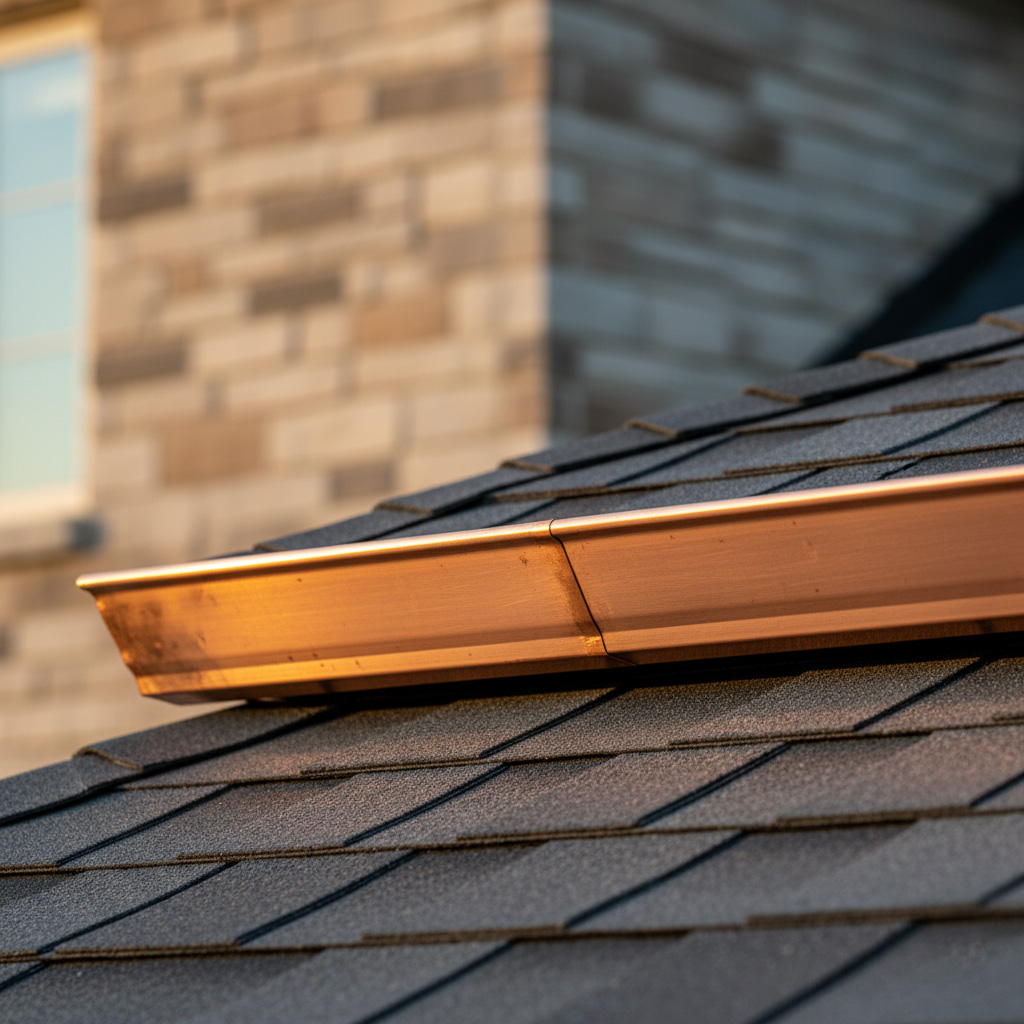
- Ridge and hip caps: Custom-cut, sealed tight.
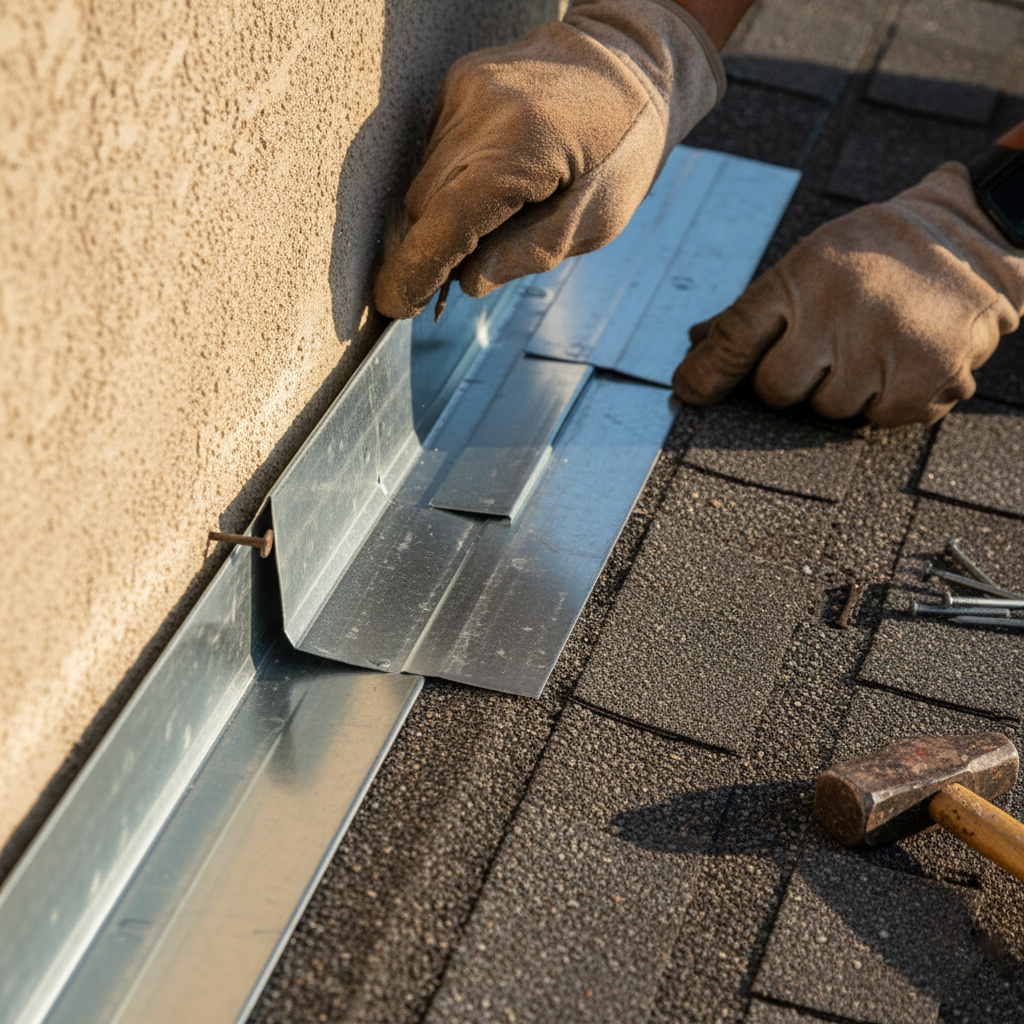
Flashings hug valleys and penetrations—no leaks, period. We test every section as we go, walking the roof to spot issues on the fly. By day's end, your tile roof stands ready to shrug off the next big blow.
Step 5: Post-Install Inspection, Maintenance, and Energy Savings
Your new tile roof deserves a victory lap. Right after installation, we hit it with a full inspection to catch any loose ends. Think pressure washing, ridge checks, and testing every seal against NOLA's humidity.
Lock It In with Our 30-Day Walkthrough
- Spot-check flashing around chimneys and vents.
- Verify tile alignment and underlayment integrity.
- Test for wind uplift resistance, prepping for the next big blow.
One missed nail could spell trouble. Our crew signs off only when it's hurricane-ready.
Maintenance That Keeps You Storm-Proof
Tile roofs last 50+ years here if you baby them right. Clear debris quarterly. Skip the power washer on tiles; gentle sweeping works wonders.
- Inspect twice yearly, especially post-storm.
- Trim overhanging branches to dodge falling limbs.
- Re-seal mortar joints every 5 years.
Bonus: These roofs cut AC bills by 20-30%. The thermal mass shrugs off heat, keeping your attic cool. In our steamy summers, that's real money back in your pocket.
Step 5: Post-Install Inspection, Maintenance, and Energy Savings
Your new tile roof deserves a solid once-over right after install. We walk the site with you, checking every tile for secure fit, flashing around chimneys, and drainage paths. Spot any issues early? We fix them free under warranty.
Quick Maintenance That Keeps It Bulletproof
Tile roofs in New Orleans handle abuse, but skip routine checks and small cracks turn into storm leaks. Hit the roof twice a year—spring and fall. Clears debris fast, spots loose tiles before winds rip them off.
- Gently sweep leaves and branches off tiles. No power washing—cracks water in.
- Inspect valleys and edges for moss buildup. Hose it light if needed.
- Trim overhanging trees. Keeps branches from pounding during gusts.
Energy Savings That Pay the Bills
Those thick tiles reflect heat like a mirror, dropping attic temps by 20-30 degrees in our sauna summers. Your AC runs less, utility bills shrink 15-25% year one. Real NOLA homeowners see $500+ back in pocket annually.
Pair it with good insulation, and you're laughing at power spikes post-storm. Long game? Tiles last 50+ years, so savings compound while shingles neighbors replace flop.
Final Words
Your new tile roof stands ready to crush New Orleans storms and cut those AC bills in half. But it only works if you pick a crew that nails every step of this roadmap.
Skip the amateurs. Call us today for a free storm-proof assessment. We've armored hundreds of homes just like yours against Ida-level fury.
Quick Action Steps
- Grab your phone. Dial now.
- Schedule that inspection before the next squall hits.
- Lock in hurricane-grade tile that lasts decades.
Don't wait for flying debris to remind you. Head over to our Tile Roof Installation page and let's make your roof unbreakable.
People Also Ask
How much does tile roof installation cost in New Orleans?
Tile roof installation in New Orleans typically ranges from $12,000 to $30,000 for an average-sized home, depending on roof size, tile type, and storm-resistant features. Factors like hurricane reinforcements and local labor rates add to the cost, but long-term durability offsets initial expenses. Get a free quote from local experts to factor in NOLA-specific permits and materials.
What is the best tile material for hurricane-prone New Orleans?
Concrete and clay tiles with high-impact ratings, like Class 4 ASTM-tested options, are ideal for New Orleans' hurricane zone due to their wind resistance up to 150+ mph. Barrel and flat styles in these materials mimic traditional NOLA architecture while meeting strict building codes. Choose Miami-Dade NOA certified tiles for proven storm performance.
How long does tile roof installation take in New Orleans?
A standard tile roof installation in New Orleans takes 5-10 days, influenced by roof complexity, weather, and permit approvals. Crews handle underlayment, battens, and tile laying efficiently, but storm prep extends timelines slightly. Professional teams minimize disruptions with phased work.
Do I need permits for tile roof installation in New Orleans?
Yes, New Orleans requires building permits for all tile roof installations to ensure compliance with wind codes and floodplain regulations. Submit plans showing hurricane-rated materials and engineering specs to the Department of Safety and Permits. Licensed contractors handle this seamlessly during pre-install prep.
How do you maintain a tile roof in New Orleans' climate?
Annual inspections check for loose tiles, moss from humidity, and storm damage, with cleaning using low-pressure washes to preserve integrity. Seal cracks promptly and trim overhanging trees to prevent debris buildup during hurricane season. Proper maintenance extends tile roofs 50+ years while boosting energy efficiency in NOLA's hot weather.

New Orleans Roofing draws on years of experience providing roofing services in New Orleans, LA. The team specializes in installations, repairs, and maintenance tailored to the area's unique climate and architecture. Committed to the local community, they serve homeowners and businesses throughout the region.
Need Roofing?
Fast roof repairs and replacements deliver leak-free protection and storm resilience in New Orleans, LA and nearby areas (70112, 70115, 70118, 70119, 70130).
Get Roof Quote