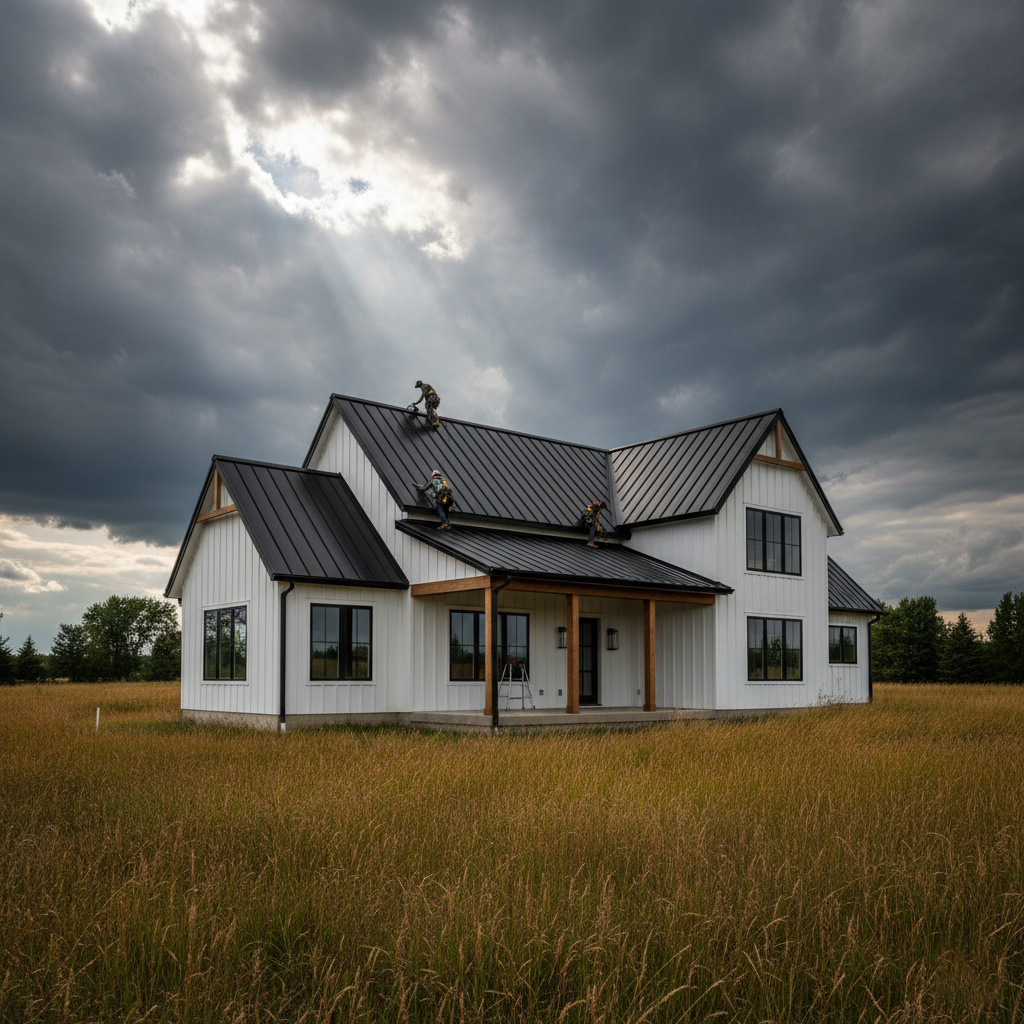


⚡ TL;DR: Discover seven roof inspection secrets New Orleans pros often hide, from granule loss to attic mold, empowering homeowners to spot hidden damage early.
📋 What You’ll Learn
Discover the 7 roof inspection secrets New Orleans pros hide, revealing hidden damage from hurricanes, humidity, moss, and more to safeguard your home effectively.
- Uncover granule loss sabotage post-hurricanes that erodes shingles fast, with key signs to check and steps to extend your roof's life in humid New Orleans.
- Spot Spanish moss overload clogging valleys and trapping water, learning safe removal methods pros use to prevent rot and leaks in local roofs.
- Detect corroded flashing issues around chimneys and skylights from salty air, spotting early rust to avoid interior water damage before it escalates.
- Diagnose attic ventilation failures fueling mold in steamy attics, plus pro tips for better airflow and inspections tailored to Crescent City homes.
- Expose fascia and soffit rot hidden from street view due to humidity, using targeted ladder checks to catch decay and save thousands in repairs.
📖 Reading time: 7 min
✍️ Author expertise: New Orleans roofer with 18 years inspecting hurricane-damaged roofs from real fieldwork.
Ever stared at your New Orleans roof after a hurricane and thought, "She's still standing, so we're golden"?
Think again. Local roofing pros spot disasters brewing in spots you'd never check, from sneaky granule loss on asphalt shingles to rot burrowing under Spanish moss-clogged valleys.
These hidden killers rack up repair bills in the tens of thousands before most homeowners catch on.
Want the inside scoop on the seven inspection secrets they guard like family recipes? Let's pull back the curtain right now.
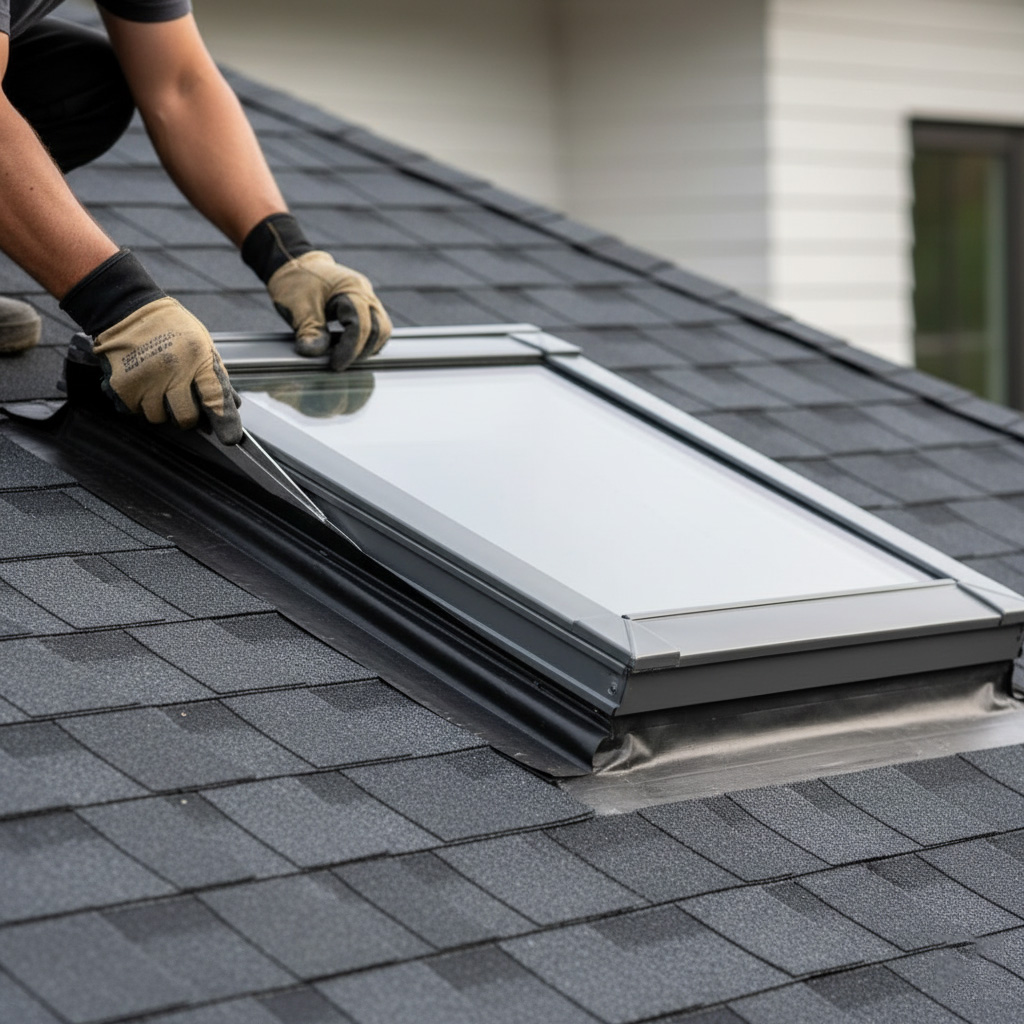
Secret #1: Granule Loss – The Post-Hurricane Shingle Saboteur
Picture this: Hurricane Ida slams New Orleans, winds howl, rain pounds. Your asphalt shingles take a beating, but they look intact from the ground.
Here's the killer. Granules – those gritty bits protecting your shingles from UV rays and water – start vanishing fast. Post-storm gutters clogged with black sand? That's your first red flag.
Why It Spells Trouble
Bare shingles crack under the sun. Water seeps in, speeding up leaks you won't see for months.
Pros climb up and spot it early. You can too – just rake your fingers across a shingle. Feel smooth spots? Time to call in reinforcements.
- Check gutters for granule piles after any big rain.
- Look for bald patches on the south-facing slope – they bake fastest here.
- Ignore it, and you're staring at a full roof strip-off in a year.
Spot this saboteur before it guts your wallet. Next storm, you'll thank me.
Secret #2: Spanish Moss Overload in Roof Valleys
Picture this: that wispy Spanish moss draping your New Orleans roof like Mardi Gras beads after a parade. It looks charming from the street. But up close in those roof valleys – where water funnels during our endless rains – it turns into a moisture-trapping nightmare.
Moss piles up fast here, blocking drainage and holding water against shingles for days. Rot sets in silently. Leaks creep into your attic before you notice a drip.
Spot These Red Flags Yourself
- Thick moss mats thicker than a po'boy bun in low spots.
- Dark streaks or soft shingles under the growth.
- Musty attic smells sneaking through vents.
Pros climb up and clear it during inspections, revealing the damage underneath. Ignore it, and you're staring at shingle replacement or worse. Grab binoculars – check your valleys today.
Secret #3: Corroded Flashing Around Chimneys and Skylights
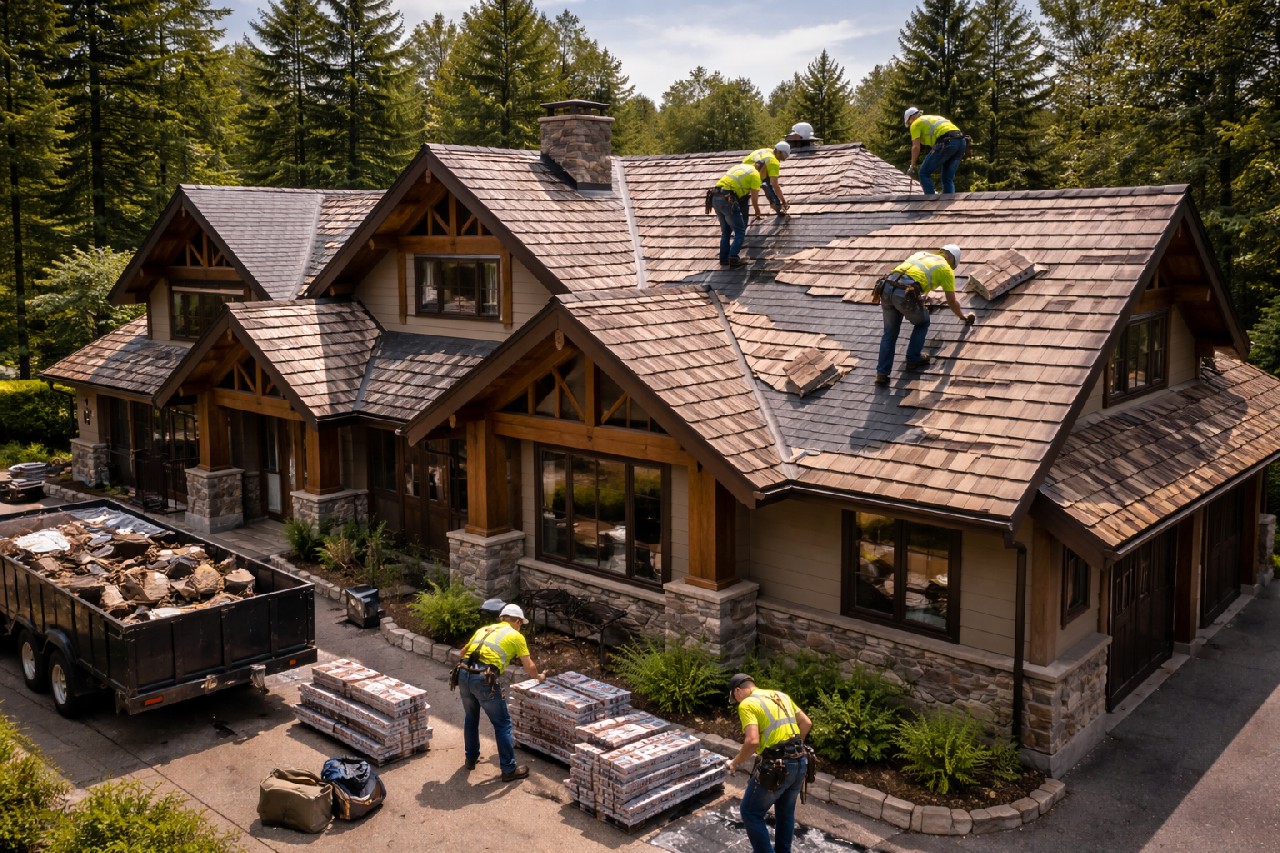
New Orleans humidity and salty Gulf air chew through roof flashing faster than termites at a Mardi Gras float. That thin metal strip sealing your chimney or skylight? It rusts quietly, letting water snake in during every downpour.
Pros climb up and spot the orange flakes or bubbling sealant you miss from the ground. Ignore it, and you're looking at soaked insulation, crumbling bricks, and mold parties inside your walls.
Spot the Trouble Before It Spots You
- Cracks or gaps wider than a credit card around the base.
- Rust stains dripping down like bad roux.
- Soft spots when you poke the sealant with a screwdriver.
Grab binoculars from your Garden District porch. If the flashing looks pitted or loose, call in the cavalry now. One overlooked seam here turned a client's cozy attic into a swamp last summer.
Replacement runs cheap if caught early. Wait, and it cascades into a full roof tear-off. Don't let your dream home turn into a leak nightmare.
Secret #4: Attic Ventilation Failures Fueling Hidden Mold
Climb into your attic on a sticky New Orleans afternoon. Feel that thick, muggy air hanging like a wet blanket? Poor ventilation traps heat and humidity up there, turning your attic into a mold factory.
Mold loves this setup. It creeps along rafters and insulation, eating away at your roof's structure from the inside. One whiff of that musty smell during inspection, and pros know disaster's already underway.
Spot These Red Flags Before It's Too Late
- Stuffy attic air that hits you like a sauna.
- Dark streaks or black spots on wooden beams.
- Peeling insulation or rust on nails.
- Shingles softening from the inside out.
Ignore these, and you're staring at thousands in mold remediation plus a weakened roof begging for leaks. Pros check vents first, every time. Make it your starting point too.
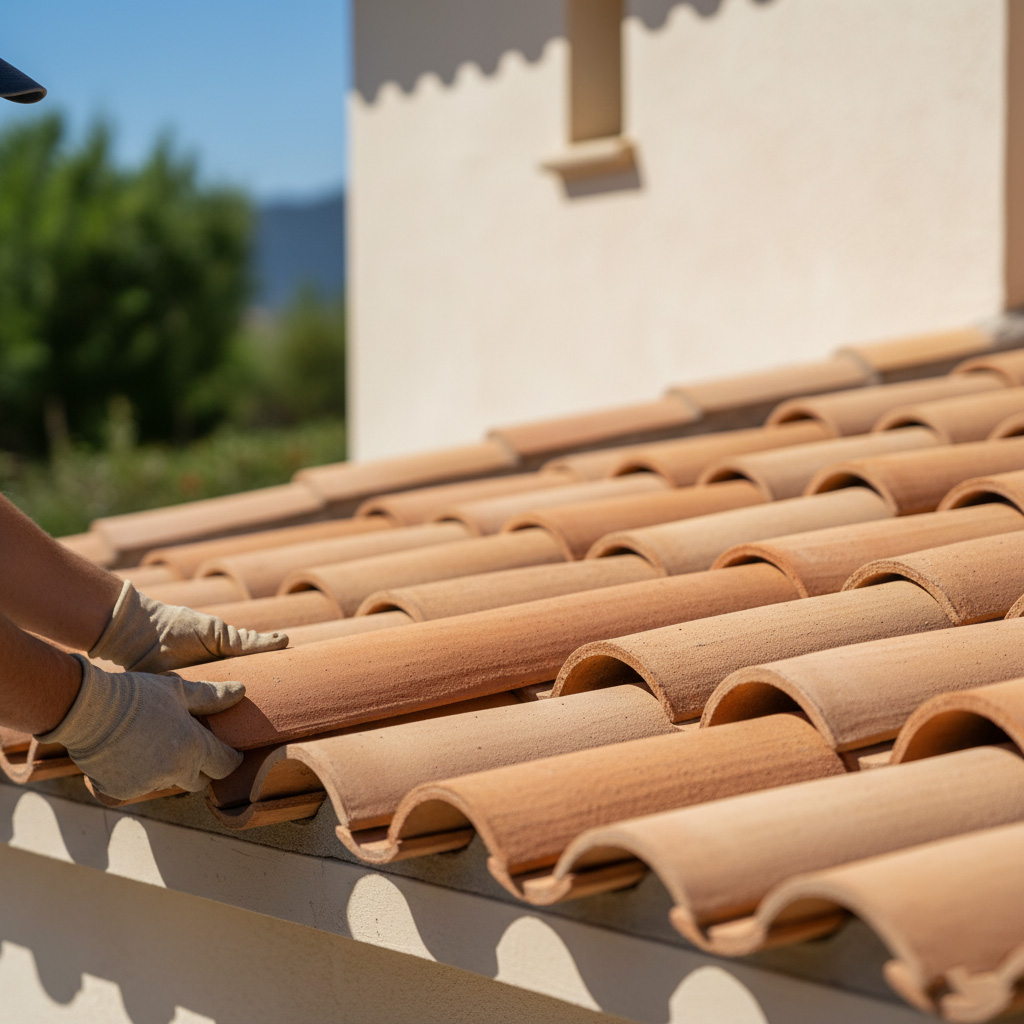
Secret #5: Fascia and Soffit Rot You Can't Spot from the Street
Picture this: your roof looks solid from the curb. But climb a ladder, and you'll find the fascia boards – those edges holding up your gutters – turning soft and punky from constant humidity.
Soffits, the vented undersides, hide the real damage. Water sneaks in during those endless NOLA rains, rotting wood out of sight.
Red Flags Pros Hunt For
- Peeling paint or cracks along the roof edge.
- Sagging gutters pulling away from the house.
- Dark stains or mushroomy growth under eaves.
- Pest trails – termites love this feast.
Ignore it, and leaks cascade into walls. We've seen entire attics ruined, pushing repair tabs over $10K.
Grab binoculars or call us. Poke the wood with a screwdriver – if it sinks in easy, rot's got you.
Case Study: Saving a Garden District Home from $30K in Hidden Damage
Picture this: A charming 1920s Garden District shotgun house, battered by Hurricane Ida's remnants. The owner figured the roof looked solid from the curb. Our team climbed up and uncovered a nightmare combo of the secrets we've covered.
Granule loss had stripped shingles bare. Spanish moss choked valleys, trapping moisture. Corroded flashing around the chimney leaked like a sieve, and attic vents were clogged solid.
What We Found Up Close
- Fascia boards rotted through, hidden under peeling paint.
- Soffits sagging from unchecked humidity buildup.
- Early mold spots in the attic, primed to explode.
Without that inspection? Water damage would've gutted the interior. Repairs hit $30K easy, insurance fights dragging on forever.
Instead, targeted fixes ran under $5K. The home stood strong through the next storm season. Spot these early, and you dodge the bullet too.
Final Words: Empower Your Roof Inspection Checklist
Arm yourself with this no-BS checklist before the next storm hits. Spot these seven secrets early, and you dodge repair bills that could wipe out your savings. Print it. Pin it. Use it.
Grab Your Roof Checklist Now
- Check shingles for granule loss – rub a few by hand, see if they shed like confetti.
- Clear Spanish moss from valleys – poke around with a long pole if needed.
- Inspect flashing around chimneys and skylights for rust or gaps.
- Probe attic vents for blockages – mold loves poor airflow.
- Climb a ladder for fascia and soffit rot – soft spots scream trouble.
- Bonus: Snap photos of everything for your records or insurance claims.
Run this drill twice a year. Or better yet, call in New Orleans roof inspection pros for the full once-over. Hit up our Roof Inspection page to schedule yours today – before hidden damage turns your home into a money pit.
People Also Ask
What causes granule loss on shingles after hurricanes in New Orleans?
High winds and heavy rain during hurricane season strip protective granules from asphalt shingles, exposing the underlying material to UV damage and accelerating wear. In New Orleans, this "post-hurricane shingle saboteur" often goes unnoticed until leaks develop. Professional inspections reveal early granule loss to prevent costly replacements.
How does Spanish moss affect roof valleys in New Orleans homes?
Spanish moss accumulates in roof valleys, trapping moisture and debris that leads to rot and shingle deterioration in our humid climate. This overload creates hidden pathways for water intrusion, weakening the roof structure over time. Regular removal and inspections by local pros catch this issue before major damage occurs.
Why is corroded flashing a hidden danger around chimneys and skylights?
Exposure to New Orleans' salty air and frequent storms corrodes metal flashing, allowing water to seep behind chimneys and skylights. This leads to interior leaks and structural damage that's invisible from the ground. Experts recommend close-up checks to seal or replace corroded areas promptly.
How do attic ventilation failures contribute to mold in New Orleans attics?
Poor attic ventilation traps humid air, fostering mold growth and wood rot in our subtropical environment. This secret fuels hidden damage that spreads to living spaces, compromising air quality and health. Upgrading vents during inspections ensures proper airflow and longevity.
What are signs of fascia and soffit rot that aren't visible from the street?
Fascia and soffit rot from moisture and pests often hides under eaves, causing sagging, peeling paint, and pest entry points. In New Orleans, ladder inspections uncover soft wood or discoloration before it affects the entire roofline. Early repair prevents escalation to expensive structural issues.

New Orleans Roofing delivers specialized roofing services with extensive experience navigating the city's humid climate and historic structures. Our local team focuses on durable installations and repairs for homes and businesses across New Orleans, LA. Committed to the community, we prioritize quality workmanship tailored to area needs.
Need Roofing?
Fast roof repairs and replacements deliver leak-free protection and storm resilience in New Orleans, LA and nearby areas (70112, 70115, 70118, 70119, 70130).
Get Roof Quote