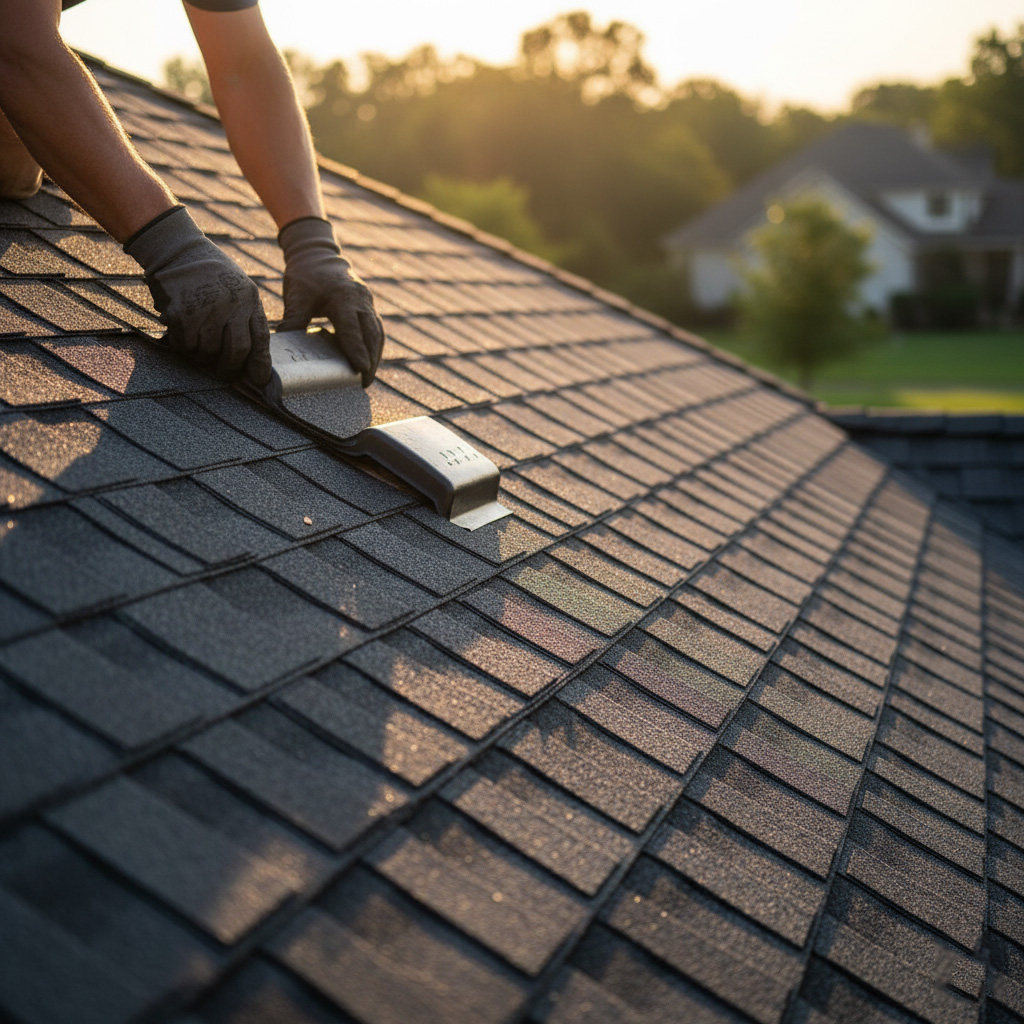


⚡ TL;DR: Discover what informed New Orleans locals know about roof installation to handle humidity, hurricanes, and heat with climate-suited materials, thorough prep, and pro techniques.
📋 What You’ll Learn
Discover what savvy New Orleans locals know about roof installation: tackling brutal humidity, hurricanes, and heat with the right materials, prep, techniques, and pros for roofs that last.
- Conquer New Orleans climate challenges by understanding why standard roofs fail against relentless humidity, high winds, intense heat, and ensuring your home stays protected year-round.
- Select top materials for bayou battles including asphalt shingles, metal roofing, and impact-resistant tiles designed specifically for hurricanes, moisture, and extreme Southern weather conditions.
- Master essential pre-installation prep from thorough site assessments, foundation checks, and drainage planning to avoid costly issues and guarantee a solid base for longevity.
- Navigate codes, permits, and trusted contractors while learning pro techniques that deliver durable results, backed by real Garden District case studies of storm recovery success.
📖 Reading time: 7 min
✍️ Author expertise: New Orleans roofing pro with 20+ years installing hurricane-resistant roofs from field experience.
Ever watch a neighbor's roof peel off like wet paper during the next big storm, while yours stands tall?
That's no accident. Smart locals in New Orleans pick roof installation tricks that laugh at our brutal humidity, hurricanes, and that sticky subtropical sun.
Discover the insider moves they swear by to keep their homes safe and dry for decades.
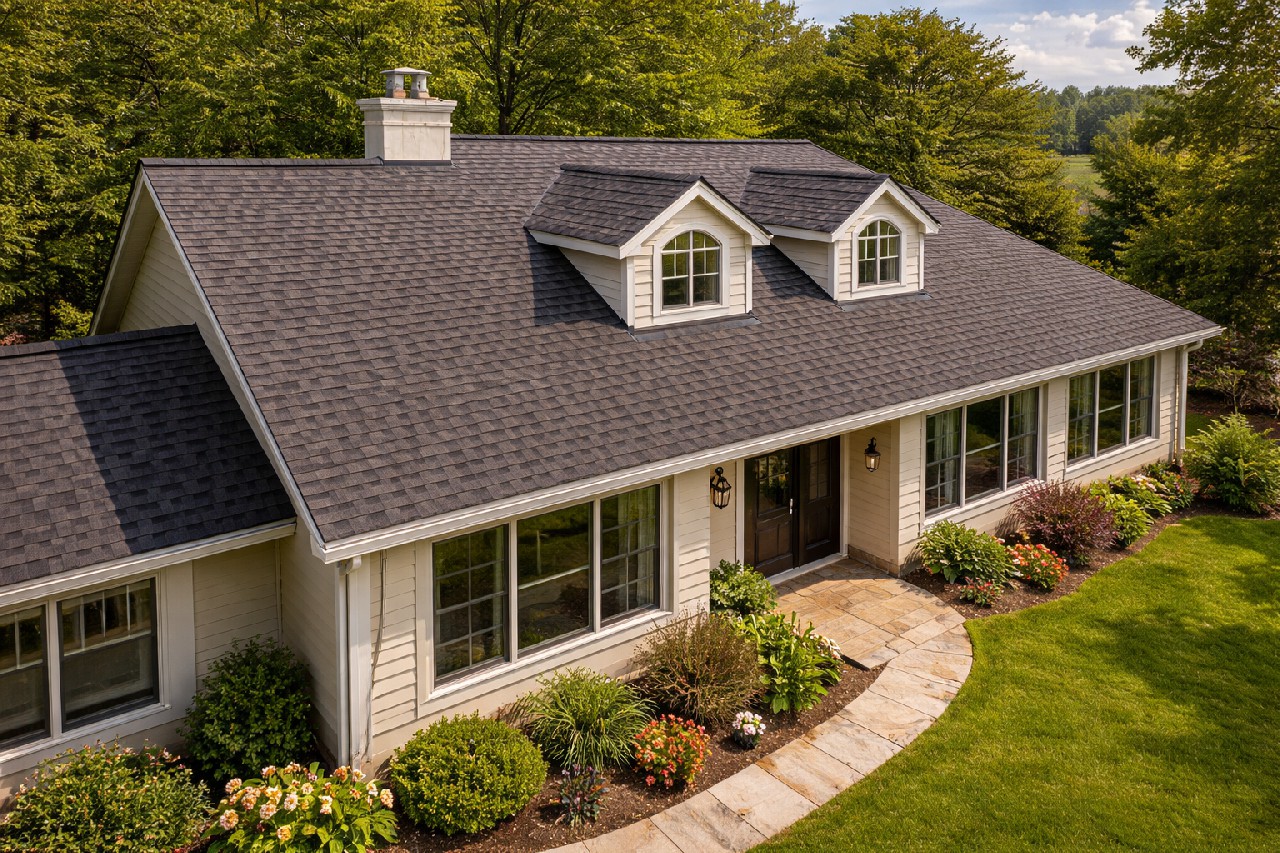
New Orleans Climate Challenges: Why Standard Roofs Fail Here
Picture this: steamy mornings that never quit, afternoon downpours that hit like a freight train, and hurricane season lurking every summer. New Orleans weather doesn't mess around. It chews up weak roofs and spits them out.
Our sky-high humidity soaks everything. Roofs swell, contract, and crack under the strain. Add blistering heat that warps materials, and you've got a recipe for early failure.
Key Weather Killers Local Roofs Face
- Fierce hurricanes: Winds over 100 mph rip off shingles and lift entire sections.
- Endless rain: Pools form on poor slopes, rotting underlayment fast.
- UV bomb: Intense sun bakes colors off and brittle-izes asphalt in years, not decades.
Standard roofs from drier spots? They buckle here. Asphalt shingles curl and granule off. Even some metals corrode without proper coatings. Smart locals demand tougher setups from day one.
Top Roofing Materials Built for Humidity, Hurricanes, and Heat
Down here in New Orleans, your roof faces a triple threat: soggy air that rots wood, winds that rip shingles loose, and heat that warps everything else.
Smart homeowners skip flimsy stuff. They go for battle-tested materials that shrug off our weather like it's nothing.
Metal Roofs: The Hurricane Hero
Standing seam metal roofs dominate for good reason. They lock together tight, letting wind whistle right over without lifting a seam.
- Wind resistance up to 150 mph or more – perfect for Category 4 storms.
- Sheds heat fast, slashing your AC bills in our steamy summers.
- Galvanized steel or aluminum laughs at rust from constant humidity.
Expect 50+ years of service. No patching every few years.
Impact-Rated Asphalt Shingles and Concrete Tiles
Don't settle for basic shingles. Grab Class 4 impact-rated ones that bounce hail and flying debris like rubber balls.
Concrete or clay tiles add serious weight to fight uplift. They channel water away quick, starving mold in our wet climate.
- Fire-resistant bonus in dry spells.
- Cooler surface temps than dark asphalt.
- Blends with Creole architecture without looking cheap.
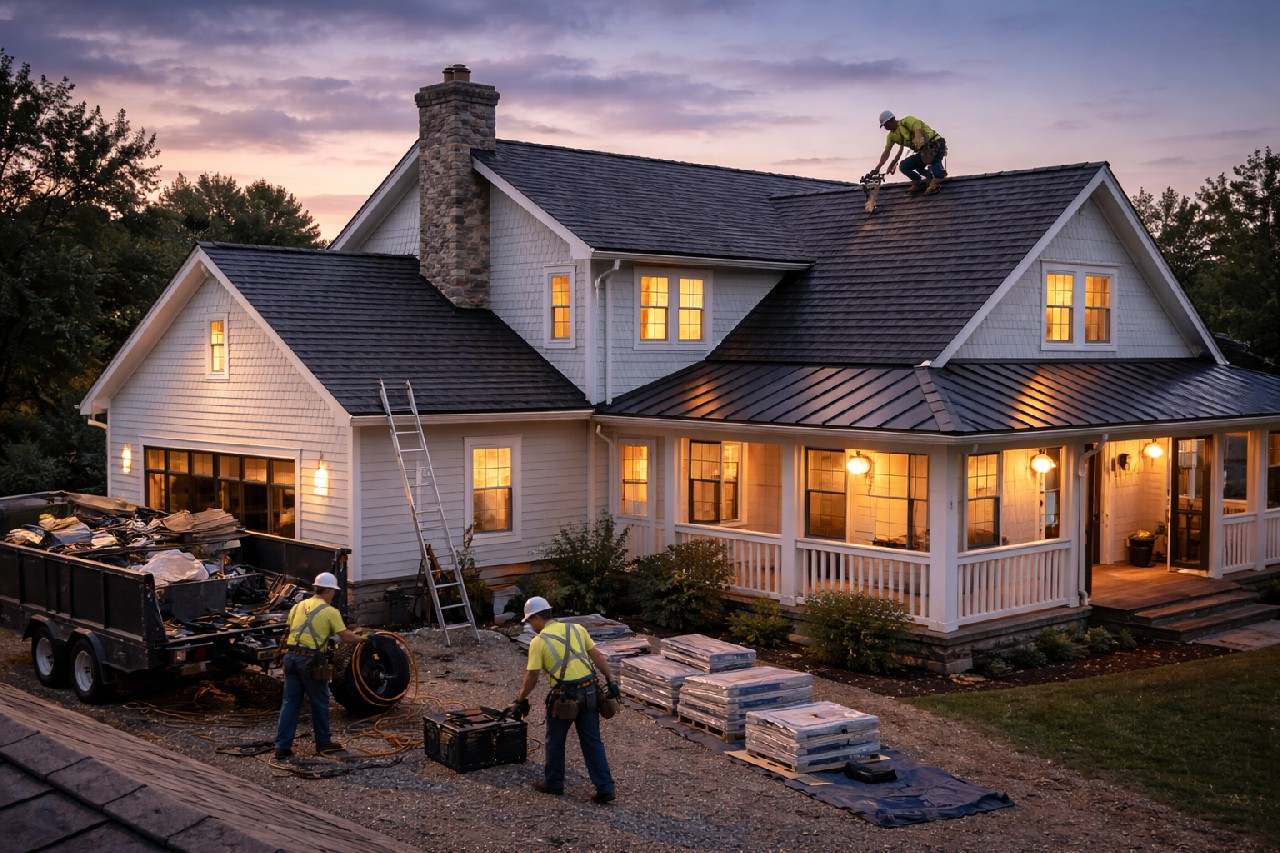
Essential Pre-Installation Prep: Site Assessment to Foundation Check
Skip this step, and your new roof could crack under pressure before the first hurricane hits. Smart New Orleans homeowners demand a full site assessment first. It uncovers hidden issues like uneven framing or moss buildup that doom cheap installs.
Key Checks Your Contractor Must Do
- Structural scan: Probe rafters and trusses for rot from our endless humidity.
- Drainage review: Spot poor gutters or low spots that pool water during downpours.
- Foundation peek: Confirm your home's base shifts no more than a hair from subsidence risks here.
Next up, clear the deck. Trim overhanging trees that drop debris bombs on shingles. Seal cracks in the underlayment too - tiny gaps turn into leak factories fast in our steamy climate.
One overlooked move? Test attic ventilation. Poor airflow traps heat and moisture, shortening roof life by years. Get this right, and your investment pays off big.
Pro Installation Techniques That Ensure Long-Term Durability
Here's the raw truth. Shoddy shortcuts kill roofs faster than a Category 3 hurricane. Pros in New Orleans nail every detail to lock in decades of bulletproof performance.
Wind-Resistant Nailing: No Wiggle Room
Standard six-inch spacing? Forget it. Hurricane-rated roofs demand 4-inch staggered nailing patterns with ring-shank nails that grip like vise jaws.
- Clip every shingle tab securely.
- Double up on eaves and rakes.
- Test pull-out strength before handover.
This setup shrugs off 150 mph gusts without flinching.
Flashing and Sealing: The Hidden Heroes
Leaks start at penetrations. Smart crews layer step flashing with ice-and-water shields under every chimney, vent, and skylight.
They seal valleys with self-adhering membranes that flex but never crack. One overlooked seam, and you're flooding.
Ventilation isn't optional. Install ridge vents paired with soffit intakes to dump hot, moist air before it rots your decking from inside.
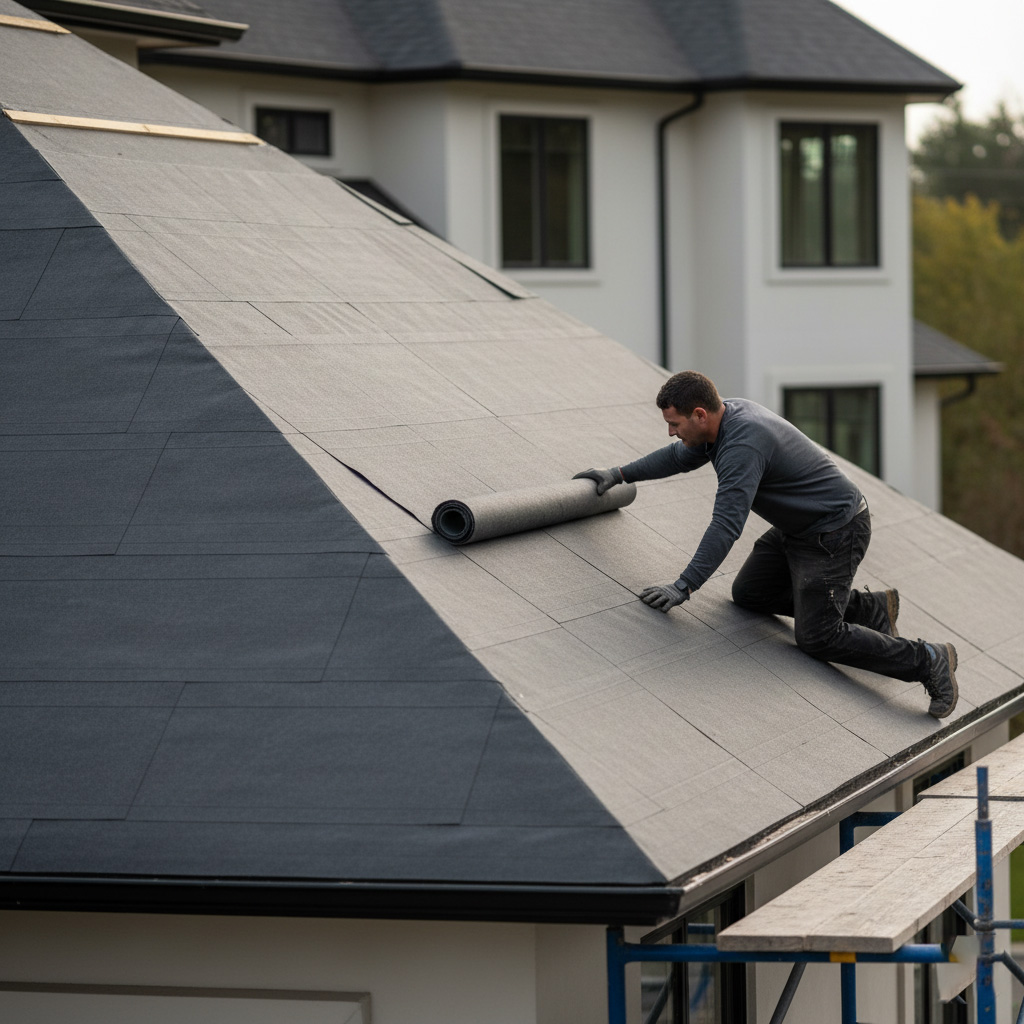
Navigating Local Codes, Permits, and Choosing a Trusted Contractor
New Orleans has strict building codes designed to withstand Category 5 winds and flooding. Skip these, and your new roof could get rejected mid-job. Your contractor must know the latest from the city's Safety and Permits office.
Permits: Get 'Em Right the First Time
Pull permits for any roof replacement over 100 square feet. Expect inspections at key stages like framing and final shingle lay. Delays here cost time and money, so hand it to pros who file daily.
- Check the City of New Orleans Permit Portal online for status.
- Budget $200-$500 depending on roof size.
- Avoid fines up to $500 per day for unpermitted work.
Spot a trusted contractor by their license, insurance proof, and local references. Demand to see past Garden District jobs. Real pros carry $1M+ liability and workers' comp, no excuses.
Case Study: Rescuing a Garden District Home from Storm Damage
Picture this: a charming 1920s Garden District shotgun house battered by Hurricane Ida. Roof shingles scattered like confetti. Water stains creeping down interior walls.
Owners called us after patching failed twice. Leaks worsened with every rain. They faced total replacement or endless headaches.
Our Deep Dive Assessment
- Found rot in the decking from years of poor ventilation.
- Decayed fascia boards hidden under mossy buildup.
- Weakened rafters strained by subtropical humidity.
We stripped it all. Reinforced the structure first. No shortcuts.
Chose impact-resistant asphalt composites rated for 150 mph winds. Added ridge vents for killer airflow. Installed underlayment tougher than tarpaper dreams.
The Payoff
Six months post-install, Ida's sequel hit. Zero damage. Neighbors gawked.
Homeowners saved $40K in future repairs. Now they sleep through storms. That's the power of pro moves tailored for NOLA grit.
Final Words
Smart New Orleans homeowners don't wait for the next hurricane to test their roof. They act now with proven installation strategies that beat back our wild weather. Your home deserves that edge.
Grab the phone. Call a crew that knows our streets, storms, and shortcuts inside out. Check our full guide on Roof Installation for more battle-tested tips tailored to NOLA.
- Skip the amateurs - demand local pros with real storm credentials.
- Invest today - dodge tomorrow's repair nightmares.
- One solid roof changes everything.
Ready to bulletproof your place? Hit us up before the skies darken again.
People Also Ask
What is the best roofing material for New Orleans homes?
In New Orleans, metal roofing and impact-resistant asphalt shingles stand out for their durability against hurricanes, high humidity, and intense heat. These materials resist corrosion and wind uplift better than standard options, ensuring longevity in our unique climate. Smart locals choose them to minimize repair costs after storms.
How much does roof installation cost in New Orleans?
Average costs range from $8,000 to $20,000 for a typical 1,500-2,000 sq ft home, depending on material and complexity. Factors like hurricane reinforcements and proper underlayment add value but increase upfront investment. Consulting local experts ensures accurate quotes tailored to NOLA's codes and conditions.
How long does a new roof last in New Orleans?
With proper installation, high-quality roofs last 25-50 years here, far outpacing standard roofs that fail in 10-15 years due to humidity and storms. Materials like TPO or metal, combined with ventilation, combat moss and heat damage effectively. Regular maintenance extends life even further in our challenging environment.
Do you need a permit for roof replacement in New Orleans?
Yes, permits are required for all roof installations or replacements in New Orleans to comply with strict building codes. The process involves submitting plans and inspections for wind resistance and drainage. Hiring a licensed contractor streamlines this, avoiding fines and ensuring safety.
What should I look for in a New Orleans roofing contractor?
Choose contractors with local experience, GAF or CertainTeed certifications, and proven storm recovery portfolios. Verify licenses, insurance, and warranties covering labor and materials. References from Garden District or similar neighborhoods confirm reliability in hurricane-prone areas.

New Orleans Roofing delivers years of hands-on experience in residential and commercial roofing services across New Orleans, LA. The team specializes in installations, repairs, and maintenance designed for the region's humid climate and severe weather challenges. Deeply rooted in the local community, they address the specific needs of New Orleans homeowners and businesses.
Need Roofing?
Fast roof repairs and replacements deliver leak-free protection and storm resilience in New Orleans, LA and nearby areas (70112, 70115, 70118, 70119, 70130).
Get Roof Quote