

⚡ TL;DR: Learn key tips for Asphalt Shingle Roof Installation in New Orleans, covering wind-resistant shingles, proper underlayment, high-wind techniques, and reinforcements to endure bayou storms.
📋 What You’ll Learn
In this guide on asphalt shingle roof installation in New Orleans, you’ll learn storm survival tips from wind-resistant selection to hurricane-proof techniques tailored for bayou weather resilience.
- Select wind-resistant asphalt shingles for New Orleans bayou storms, focusing on high-wind ratings, impact resistance, and features that endure heavy rain and gusts up to 150 mph.
- Master underlayment and prep essentials for hurricane-proof roofs, including waterproof barriers, deck inspection, and fastening to prevent leaks and uplift in severe weather.
- Apply step-by-step high-wind techniques like secure nailing patterns and sealing methods that boost asphalt shingle durability against New Orleans' frequent tropical storms.
- Reinforce valleys, ridges, and edges with impact-resistant upgrades and accessories, proven to shield against flying debris as seen in Hurricane Ida survivor case studies.
📖 Reading time: 7 min
✍️ Author expertise: New Orleans roofing pro with 20 years of field experience in storm-resistant installations and repairs.
Hurricane winds rip through New Orleans like a freight train, turning peaceful neighborhoods into battle zones overnight. Your asphalt shingle roof takes the brunt, battered by rain, debris, and gusts up to 100 mph. But here's the kicker: with the right prep and install, those shingles can laugh off the chaos.
We've seen it firsthand—roofs that crumble versus those standing proud after Ida or Ida's wilder cousins. The difference? Smart choices in asphalt shingle roof installation tailored for our bayou storms.
Ready to arm your home against the next big blow? Let's break down the survival tips that pros swear by.
Selecting Wind-Resistant Asphalt Shingles for Bayou Storms
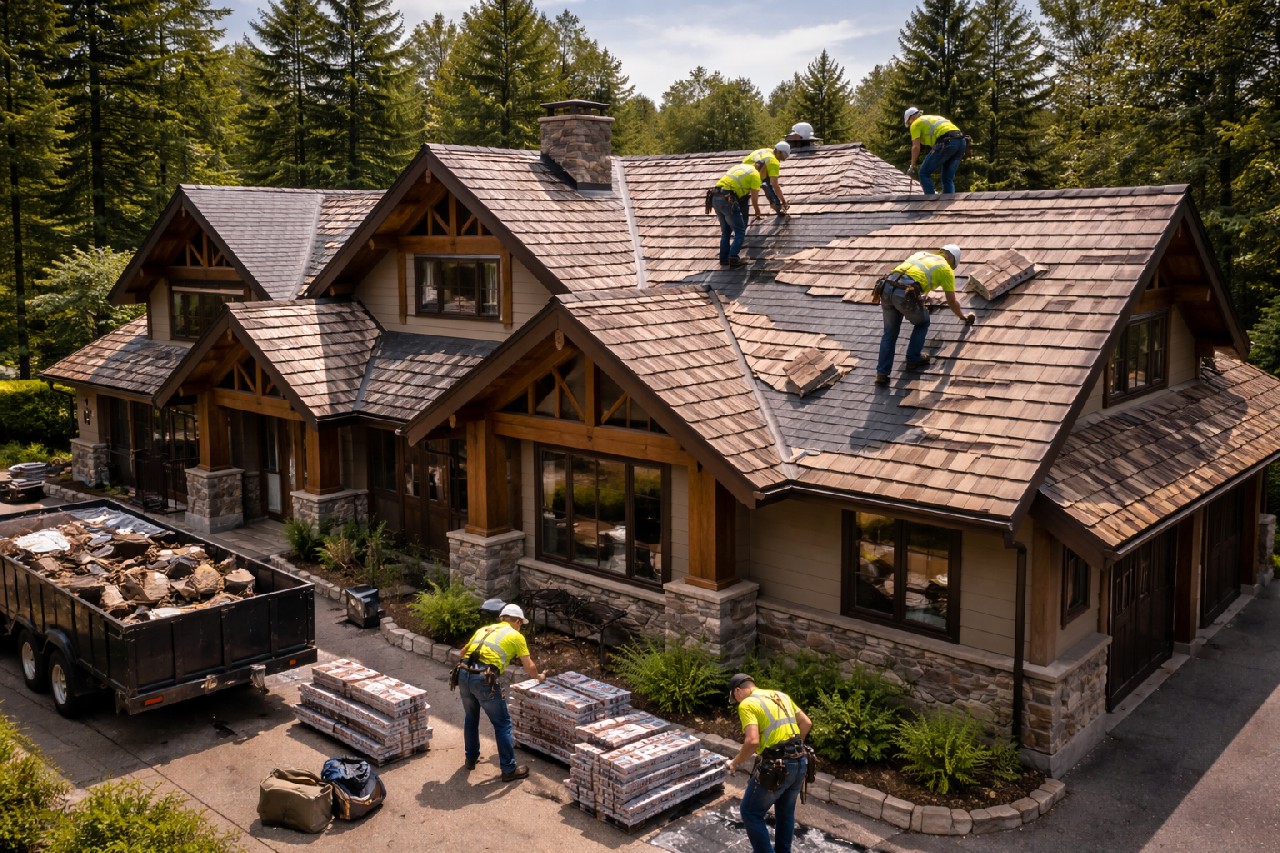
New Orleans roofs face 150 mph wind zones per local codes. Standard shingles tear off like paper in those gusts. Pick ones rated for high winds to keep your home intact.
Look for shingles with a Class H or Class G wind rating. These hold up through Ida-level blasts. Heavier granules and wider sealant strips lock them down tight.
Top Features to Demand
- UL 2218 Class 4 impact resistance beats flying debris.
- Architectural shingles over 3-tab for double-layer strength.
- Self-sealing compounds that activate in heat, no matter the humidity.
Skip lightweight bargain brands. They fail fast in bayou downpours. Invest in GAF Timberline HDZ or CertainTeed Landmark Pro—proven warriors here.
Essential Underlayment and Prep for Hurricane-Proof Installation
Skip the cheap felt paper. In New Orleans, you need synthetic underlayment or self-adhering membranes that seal out water like a fortress. These hold up against the pounding rain and wind-driven moisture that Ida dumped on us.
Go for products like GAF Tiger Paw or Grace Ice & Water Shield across the entire roof deck. They grip tight, bridge small gaps in plywood, and prevent leaks when shingles lift or fly off. Pros here swear by full coverage, not just valleys and eaves.
Prep Your Deck Right Before Shingles Hit
- Inspect every sheet of plywood or OSB for rot, soft spots, or delamination. Replace anything punky, no shortcuts.
- Ensure proper nailing: 8d ring-shank nails every 6 inches on edges, 12 inches in the field. Loose decking equals disaster.
- Clear debris, sweep clean, and add ventilation if your attic's stuffy. Hot, humid air trapped below cooks shingles faster.
One overlooked step? Slope check. Roofs under 4:12 pitch demand extra underlayment layers to fight pooling water during those slow-moving storms.
Step-by-Step High-Wind Installation Techniques
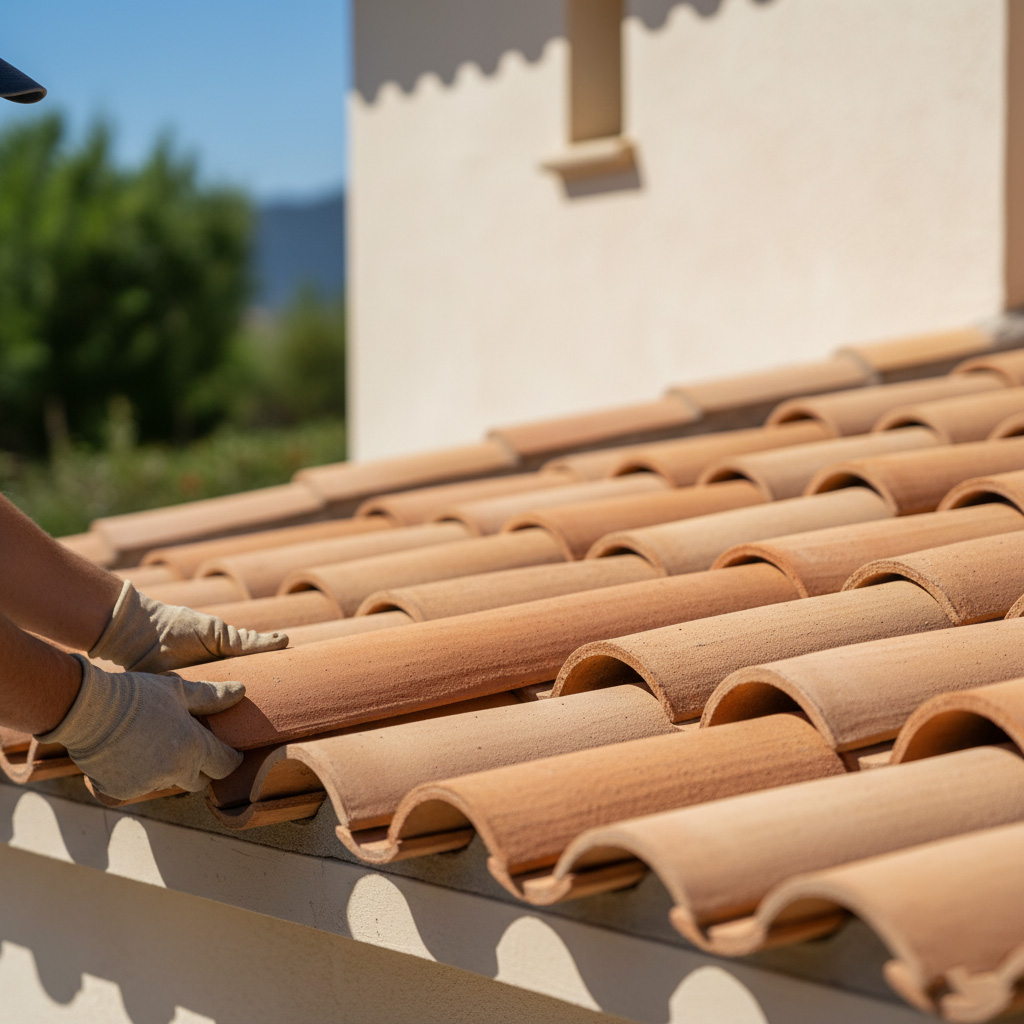
High-wind asphalt shingle installation isn't rocket science. But skip a step, and your roof flies off in the next gale. Follow these proven techniques our crews use for New Orleans' brutal storms.
1. Nail Like Your House Depends On It (It Does)
Use 6 nails per shingle, factory-applied sealant or not. Drive 'em 1 inch above the sealant strip, 1/8 inch above the cuts, and 1 inch from each edge.
- Pick 11- or 12-gauge ring-shank nails for max grip.
- Full embed into the deck—no half-measures.
- Wind speeds over 110 mph demand this pattern every time.
2. Stagger and Seal Seams Tight
Offset every row by 6 inches—no straight lines for wind to grab. Press shingles firm so sealants activate in the heat.
Pro tip: In gusty installs, hand-seal edges with roofing cement. It locks out water and lift during Ida-level blasts.
3. Hip and Ridge Caps: Double Down
Wrap hips with 12-inch starter strips first. Then cap with two layers of shingles, nailed 5 per cap.
- 6-inch expose, 5-inch cover—no shortcuts.
- Seal every nail head. Debris flies, but your ridge stays put.
Reinforcing Valleys, Ridges, and Edges Against Flying Debris
Valleys: Seal the Water Highways
Valleys catch the worst of the storm runoff in New Orleans downpours. Skip basic felt here. Lay down self-adhering ice and water shield full-width along the entire valley for a watertight bomb shelter.
- Extend it 18 inches on each side of the valley center.
- Double it up in high-risk spots like low slopes.
- Shingle over with asphalt layers nailed per high-wind specs.
This stops leaks when debris pounds and wind lifts edges.
Ridges and Hips: Lock Down the Spine
Your roof's ridge is a debris magnet during bayou blasts. Standard caps? They fly off first. Go with laminated ridge shingles or metal ridge vent caps, fastened with 6-inch nails spaced 6 inches apart.
Seal every nail head with high-strength roofing caulk. Add foam closure strips underneath to block wind-driven rain. Roofs we've done this way shrugged off Ida's fury without a single cap missing.
Edges and Eaves: No Weak Links
Edges take brutal uplift from gusts whipping Lake Pontchartrain. Beef them up with heavy-duty starter strips fully adhered, not just nailed. Overhang them 1/2 inch and seal the drip edge to the deck with mastic.
- Use corrosion-resistant drip edge metal, screwed every 8 inches.
- Layer with underlayment taped at all seams.
- Test pull strength: aim for 110 mph resistance minimum.
These tweaks turn flimsy borders into storm anchors.
Upgrading to Impact-Resistant Shingles and Accessories
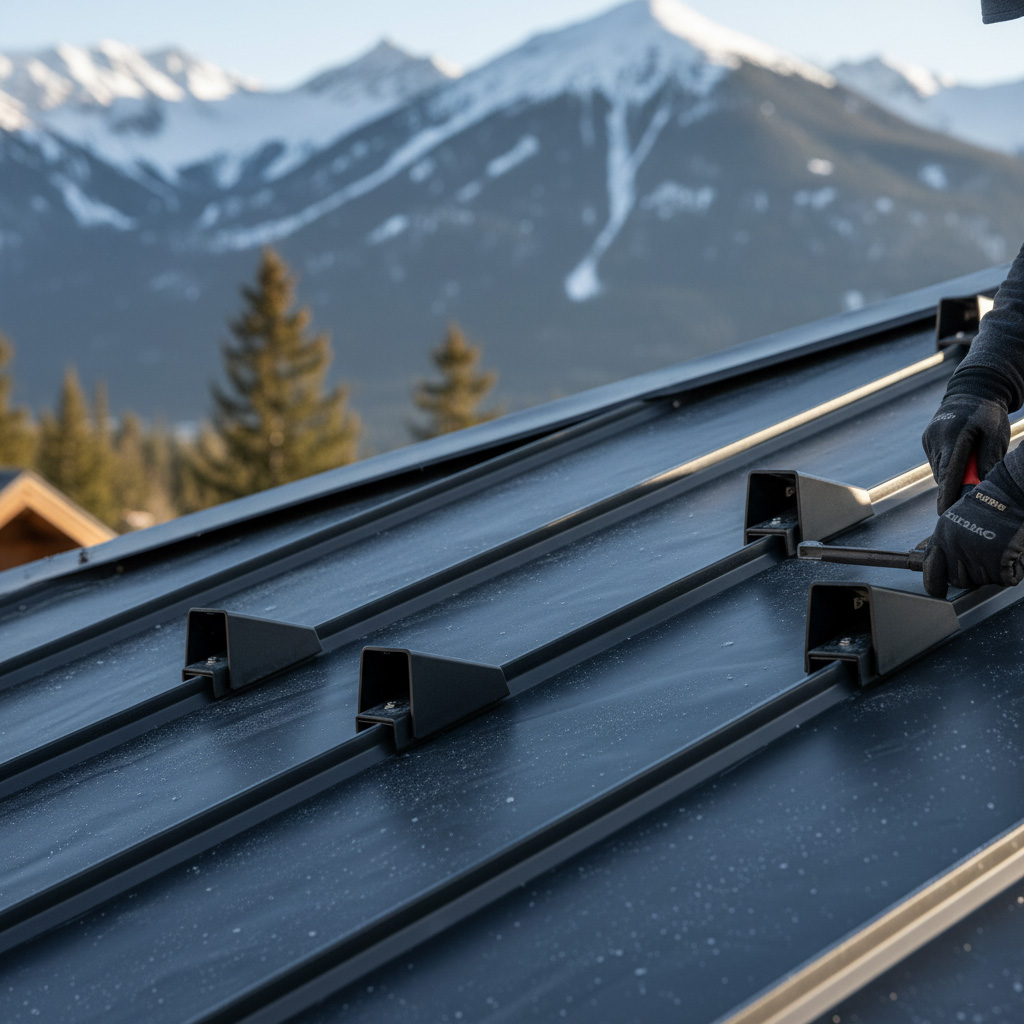
Standard shingles crack under flying branches or hail. Impact-resistant asphalt shingles change that game. They carry a Class 4 UL 2218 rating, shrugging off two-inch steel balls dropped from 20 feet.
Picture this: Ida's debris storm hits Gentilly hard. Homes with these upgrades? Barely a scratch. Swap your old roof for brands like GAF Timberline HDZ or Owens Corning Duration Impact.
Key Accessories That Seal the Deal
- Impact-rated starter strips: Lock the first row tight against uplift.
- Reinforced ridge caps: Defend the peak from wind-driven rain.
- Metal edge flashing: Shields drip edges from peeling back in gusts.
These aren't extras. They're your roof's body armor. Pros layer them during install for full storm-proofing.
Cost? Sure, 20-30% more upfront. But insurance discounts hit 25% in Louisiana, and they last longer through our brutal seasons.
Case Study: Ida Survivor Roof in Gentilly Neighborhood
Picture this: Old man Joe in Gentilly stares at his sagging asphalt shingle roof after Ida tore through in 2021. Winds hit 150 mph. His old setup? Standard shingles nailed lightly, no real underlayment, valleys wide open to flood.
We stepped in fast. Full tear-off. Installed wind-resistant Class H asphalt shingles from GAF Timberline HDZ. Paired with synthetic underlayment everywhere, not just valleys. High-wind techniques locked 'em down: six nails per shingle, staggered patterns.
Key Upgrades That Saved the Day
- Reinforced ridges with metal caps sealed tight against uplift.
- Impact-resistant shingles rated Class 4 for hail and flying debris.
- Edge metal flashed deep into drip edges, no shortcuts.
Fast forward to the next tropical punch last summer. Joe's roof? Not a single shingle missing. Inspector called it "bulletproof." Saved him $25K in repairs. That's New Orleans asphalt shingle roof installation done right, Gentilly style.
Final Words
Your roof doesn't stand a chance against New Orleans storms without these upgrades. Skip the cheap fixes. Go for wind-resistant shingles, proper underlayment, and nailed-tight techniques every time.
We've rebuilt hundreds of homes post-Ida, and the pattern's clear: prep wins. Homes in Gentilly and beyond that followed these steps? Barely a shingle out of place. Yours can join them.
- Call pros certified for high-wind zones right now.
- Check out our full guide on Asphalt Shingle Roof Installation for more bayou-proof secrets.
- Schedule a free storm audit before the next named blow hits.
Don't wait for flying debris to decide your fate. Act today. Your family’s dry and safe tomorrow depends on it.
People Also Ask
What are the best wind-resistant asphalt shingles for New Orleans storms?
In New Orleans, opt for Class H or GAF Timberline HDZ shingles rated for 130-150 mph winds, certified by UL 2218 for impact resistance. These feature reinforced nailing zones and sealant strips that lock shingles tight during hurricane-force gusts. Local roofing experts recommend them for bayou-area homes facing frequent tropical storms.
How do you properly install asphalt shingles for high-wind areas like New Orleans?
Start with a fully adhered synthetic underlayment like GAF Deck-Armor, then use 6-nail installation with nails 1-2 inches above the sealant strip. Steeper pitches require starter strips and ridge caps sealed with high-strength mastic to prevent uplift. Follow Miami-Dade County NOA standards for true hurricane-proofing in Louisiana's coastal zones.
Are impact-resistant asphalt shingles necessary in hurricane-prone New Orleans?
Yes, Class 4 impact-rated shingles like CertainTeed Landmark PRO resist hail and flying debris common in storms like Ida. They reduce granule loss and cracking, extending roof life by 20-30% in debris-heavy events. For Gentilly and Lakeview homes, they're a smart upgrade covered by premium insurance discounts.
What underlayment should I use under asphalt shingles for storm protection?
Synthetic underlayments like Titanium PSU30 or GAF StormGuard outperform felt by providing superior tear strength and self-sealing around nails. Fully adhere them from eave to ridge for a secondary waterproof barrier against wind-driven rain. In New Orleans, this prep is crucial for withstanding 6-8 inches of hourly rainfall during hurricanes.
How can I reinforce roof valleys and edges for New Orleans debris storms?
Install woven valley liners like 90 lb. Grace Ice & Water Shield along valleys, sealed with plastic cap nails every 6 inches. Use metal drip edge with extended flanges and starter strips with integral sealant on rakes and eaves to block wind entry. This setup protected many Chalmette roofs from flying debris in Hurricane Ida.

New Orleans Roofing specializes in residential and commercial roofing services with extensive experience navigating the region's unique climate challenges. Their team delivers reliable installations, repairs, and maintenance tailored to New Orleans properties. Deeply rooted in the local community, they focus on quality craftsmanship for lasting protection.
Need Roofing?
Fast roof repairs and replacements deliver leak-free protection and storm resilience in New Orleans, LA and nearby areas (70112, 70115, 70118, 70119, 70130).
Get Roof Quote